Wall Street Is Betting on Rate Cuts Again — But the Bond Market Isn’t Buying It


Hello, this is Mastermind.
Something strange is happening in U.S. markets right now.
Economic growth is slowing.
Inflation still hasn’t fully disappeared.
And yet, equities — especially AI and tech stocks — continue pushing higher.
Which raises a simple question
Why is Wall Street becoming bullish again?

The answer is straightforward:
Markets are betting on Fed rate cuts again.
And right now, that expectation is driving nearly everything.
Why Lower Rates Matter So Much
Interest rates sit at the center of modern financial markets.
When the Federal Reserve raises rates
- borrowing gets more expensive
- liquidity tightens
- corporate investment slows
- risk assets struggle
But the moment investors believe rates are heading lower, market psychology changes fast.
Lower rates mean
- easier financial conditions
- cheaper capital
- more liquidity flowing into markets
- and higher valuations for growth stocks
That matters most for sectors like
- AI
- semiconductors
- big tech
- software
- cloud infrastructure
Because these industries trade heavily on future earnings expectations.
And lower rates make those future earnings far more valuable today.
That’s exactly why Wall Street remains obsessed with one question
When will the Fed pivot?
Markets Are Already Pricing It In

Recent economic data has helped strengthen that narrative.
Inflation indicators like CPI and PPI have started moderating.
Meanwhile, the U.S. labor market is finally beginning to cool after staying historically tight for years.
To investors, that changes the entire macro picture.
Because softer inflation and weaker economic momentum reduce pressure on the Fed to stay aggressively hawkish.
And markets never wait for official confirmation.
Stocks move the moment easier policy becomes believable.
That’s the environment we’re trading in right now.
“Bad News Is Good News”
One of the strangest dynamics in today’s market is how investors react to weak economic data.
Normally, slowing growth would hurt stocks.
But right now, weaker data often pushes equities higher.
Why?
Because markets now see weak data as fuel for future rate cuts.
That’s classic Wall Street logic
“Bad news is good news.”
Weak jobs data, softer consumer spending, and slower inflation readings are no longer being viewed purely as risks.
They’re being viewed as catalysts for future liquidity.
Markets aren’t trading today’s economy anymore.
They’re trading tomorrow’s liquidity.
But the Market May Be Ignoring a Bigger Problem
Despite growing optimism around rate cuts, several risks could make it difficult for the Fed to ease as aggressively as markets expect.
The biggest issue is inflation itself.
Yes, inflation has cooled from its peak.
But it hasn’t disappeared.
And recent geopolitical tensions
especially around energy markets and the Middle East
could quickly push commodity prices higher again.
If oil prices spike, inflation pressures could return fast.
And that would put the Federal Reserve in a difficult position.
The Fed can’t afford to cut too early if inflation starts moving higher again.
Which is why some analysts believe markets may be underestimating how fragile the path toward lower rates really is.
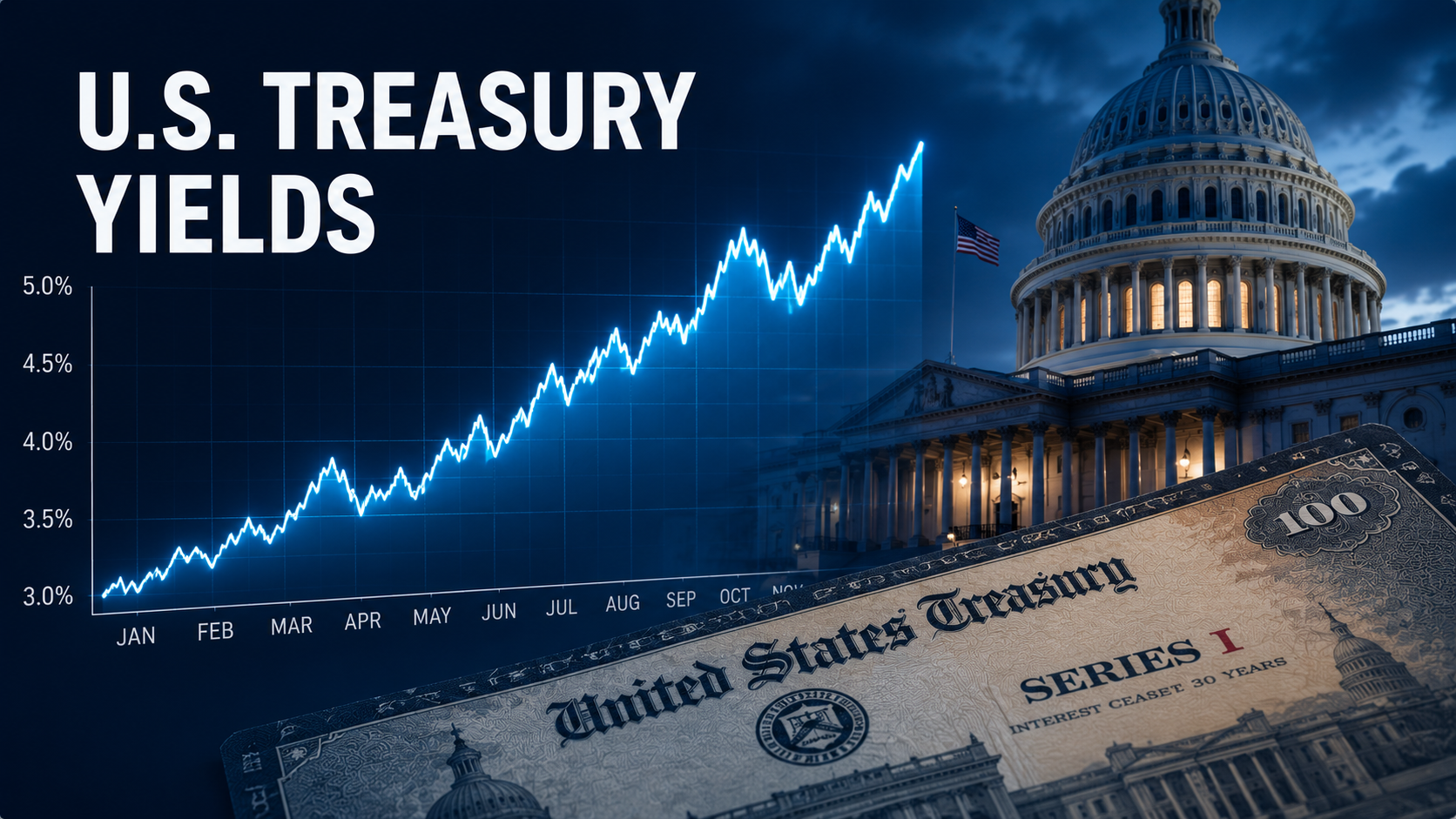
The Bond Market Isn’t Fully Convinced
There’s another signal investors are watching closely:
Treasury yields.
Even while equities rally on rate cut optimism, long-term Treasury yields have remained relatively elevated.
That matters because bond markets tend to reflect deeper skepticism about future monetary policy.
In simple terms
The stock market is buying the dream.
The bond market is pricing the math.
And that disconnect is becoming one of the biggest tensions inside Wall Street right now.
Why AI Stocks Still Refuse to Break Down

Despite all the macro uncertainty, AI and tech stocks continue showing remarkable strength.
The reason is simple
Wall Street still believes AI will become one of the biggest economic transformations of the next decade.
Capital continues flowing aggressively into
- Nvidia
- Microsoft
- semiconductors
- AI infrastructure
- hyperscale data centers
And unlike previous speculative bubbles, many of these companies are generating massive cash flow and real earnings growth.
That creates a powerful combination
- structural AI optimism
- plus the expectation of future rate cuts
Together, those two forces continue supporting premium valuations across the tech sector.
The Real Question Wall Street Is Asking
At this point, markets are no longer asking
“Will the Fed eventually cut rates?”
Most investors already believe rate cuts are coming at some stage.
The real question now is
Can the Fed cut rates as aggressively as markets currently expect?
Because if inflation remains sticky, oil prices rise again, or economic growth stabilizes unexpectedly, the Fed may be forced to keep rates higher for longer.
And that would force Wall Street to reprice almost everything.
Final Thoughts
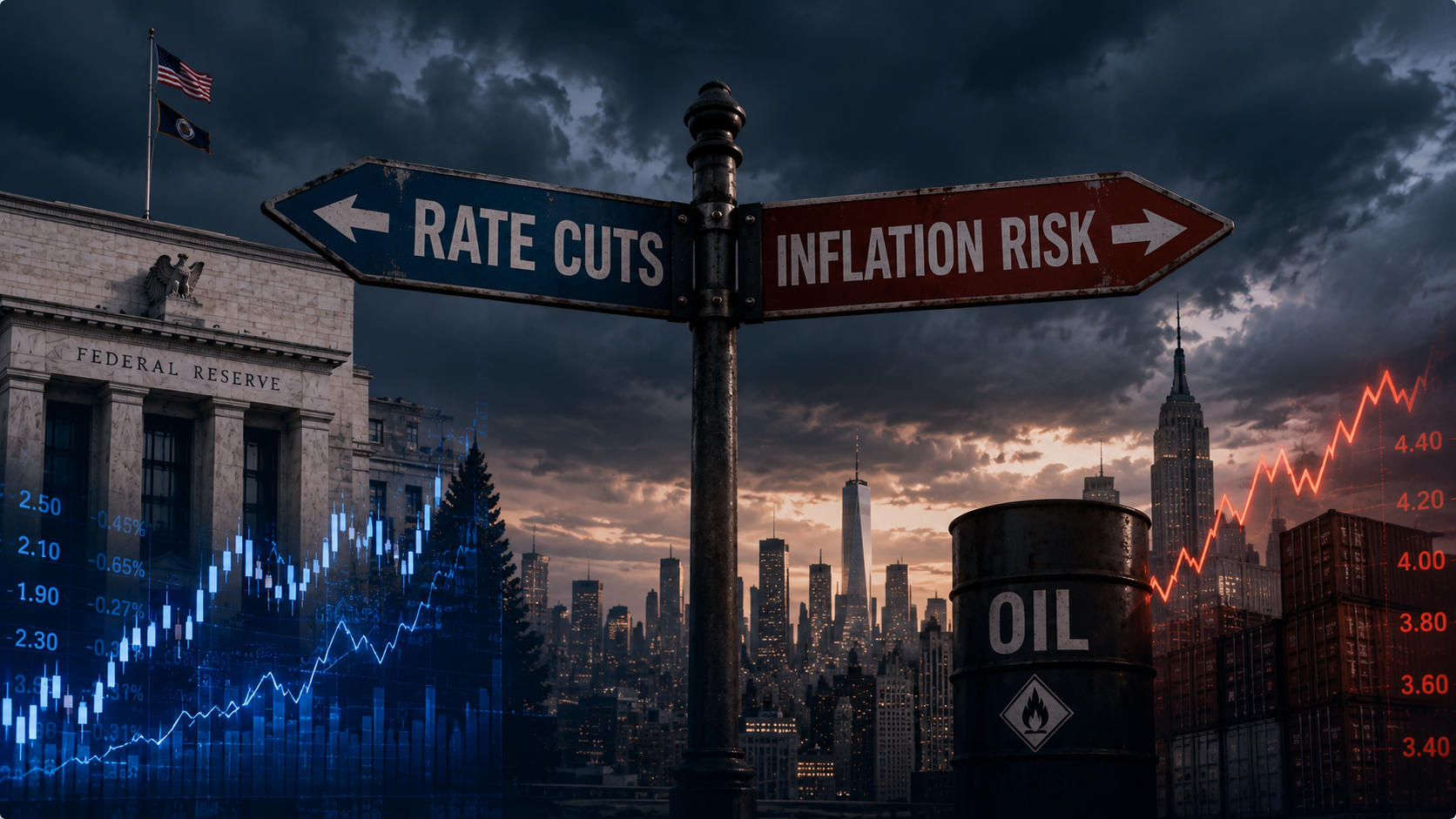
Right now, Wall Street is caught between two powerful forces:
- optimism surrounding future rate cuts
- and fear that inflation may not fully disappear
That tension is driving nearly every major move in the market today.
Stocks are rallying because investors believe liquidity will eventually return.
But beneath the surface, the path toward lower rates remains far more uncertain than markets want to believe.
The next major move in markets may come down to one question
Will inflation cool fast enough for the Fed to actually deliver the rate cuts Wall Street is already pricing in?
Because in finance, expectations always move ahead of reality.
And right now, Wall Street is already positioning for the next liquidity cycle.
This was Mastermind,
designing success.
'[Global] Success Blueprints' 카테고리의 다른 글
| Why Big Tech Is Suddenly Buying Power (0) | 2026.05.20 |
|---|---|
| What Happens When U.S. Treasury Yields Rise? (0) | 2026.05.19 |
| [Insight] The Internet Isn’t in the Cloud — It’s Under the Ocean (0) | 2026.05.17 |
| [Insight] The Economy Is Slowing… So Why Is Nasdaq Still Surging? (0) | 2026.05.15 |
| [INSIGHT] Why America Can Still Print Trillions — And Why 2026 Feels Different (0) | 2026.05.15 |