[INSIGHT] Why America Can Still Print Trillions — And Why 2026 Feels Different


Hello, this is Mastermind.
As of May 2026, America’s national debt has surged past $39 trillion, with debt levels remaining near historic highs relative to GDP. According to recent estimates cited by financial institutions and budget projections, the U.S. debt burden is now approaching levels not seen since the post-World War II era.
Under normal circumstances, debt levels at this scale would raise serious concerns about long-term fiscal sustainability.
And yet, global investors continue buying U.S. Treasuries.
Why?
The answer lies in one of the most powerful systems ever built in modern finance: the global dollar system.
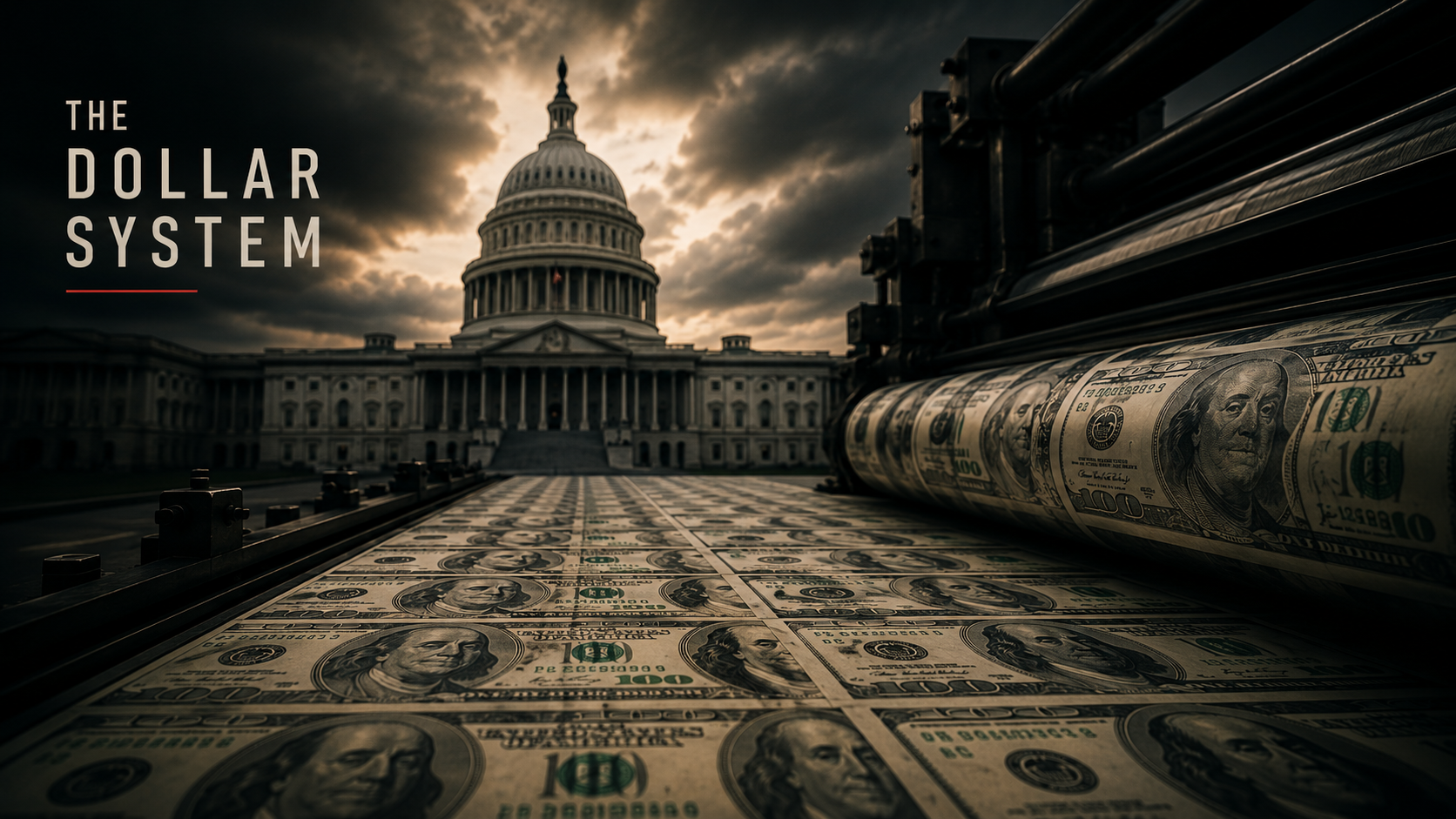
But in 2026, for the first time in decades, pressure inside that system is becoming increasingly difficult to ignore.
1. The Dollar’s “Exorbitant Privilege” Is Facing New Pressure
Since the 1971 Richard Nixon shock ended the gold standard, the U.S. dollar has no longer been backed by gold. Instead, it has been backed by something arguably even more important:
Global confidence in the United States itself.
Its institutions.
Its financial markets.
Its military power.
Its economic scale.
This gave America what economists often call the “Exorbitant Privilege” — the ability to issue debt in its own currency while the rest of the world continues relying on dollars for trade, reserves, and liquidity.
For decades, this system allowed the U.S. to borrow at a scale no other country could sustain.
But now, investors are beginning to ask a harder question:
How much debt can even the world’s reserve currency absorb before confidence begins to weaken?
2. The Petrodollar Era Is Slowly Evolving
Energy markets have long reinforced global dollar demand.

Even today, international oil markets still operate primarily in U.S. dollars, creating constant demand for dollar liquidity across the global economy.
For decades, the cycle looked almost unbreakable:
Energy demand
→ Dollar demand
→ Demand for U.S. financial assets
But in 2026, the structure is becoming more fragmented.
Countries within BRICS are increasingly experimenting with payment systems and settlement frameworks designed to reduce reliance on SWIFT and the U.S. dollar.

Projects like mBridge remain relatively small compared to the scale of the dollar system, but the direction matters.
The world is no longer just “talking” about alternatives; it is gradually building the infrastructure for them.
3. The Bond Market Is Sending a Warning
Perhaps the most important signal is not coming from politicians — but from the bond market itself.
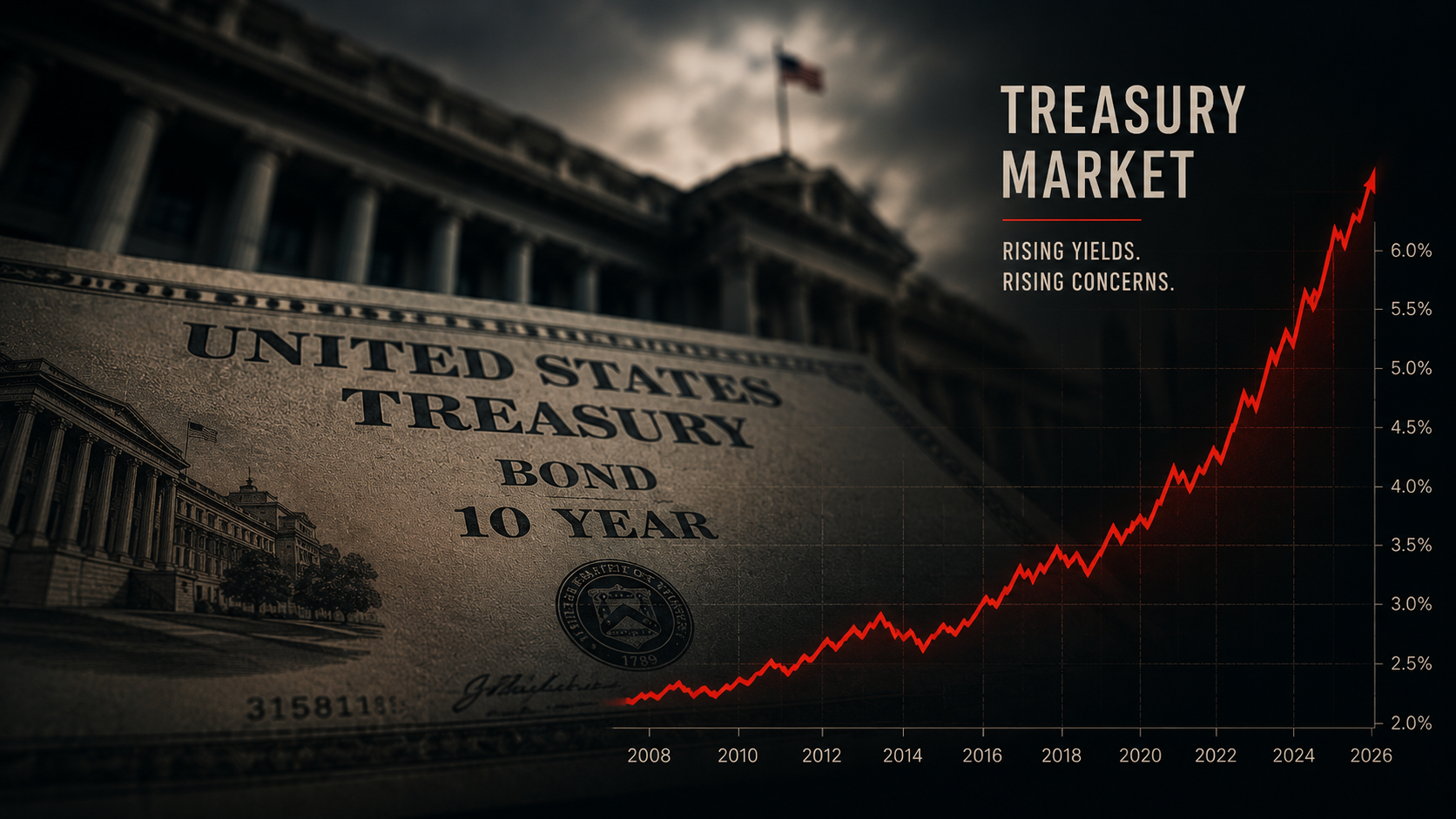
In recent months, long-term Treasury yields have climbed toward levels not seen since before the 2008 financial crisis.
Higher yields mean investors are demanding greater compensation for holding long-duration U.S. debt.
That creates a dangerous fiscal feedback loop:
Higher Rates
→ Higher Government Interest Costs
→ Larger Deficits
→ More Borrowing
Interest payments are rapidly approaching defense spending levels and are becoming one of the fastest-growing federal expenditures in the United States.
Critics argue that America is gradually moving from:
“borrowing to finance growth”
to:
“borrowing to sustain the cost of existing debt.”
That distinction matters.
4. Why the Dollar Still Dominates — For Now
Despite growing concerns, the dollar remains what many investors call:
“The cleanest dirty shirt in the laundry.”
The reality is simple:
there is still no true replacement for the dollar system.
- The euro faces structural political fragmentation
- China’s yuan remains constrained by capital controls
- Bitcoin lacks the stability required for global settlement
Meanwhile, the United States still controls enormous structural advantages:
- the deepest capital markets in the world,
- unmatched Treasury market liquidity,
- global military influence,
- and many of the world’s dominant technology companies.
The U.S. also continues leading in AI infrastructure, semiconductor design, and global capital allocation — sectors that further reinforce long-term dollar demand.
Even during periods of volatility, global capital still tends to flow back toward dollar assets during crises.
That reality continues supporting the system.
Mastermind’s Conclusion
“The Era of Infinite Borrowing Is Meeting the Reality of Infinite Interest.”
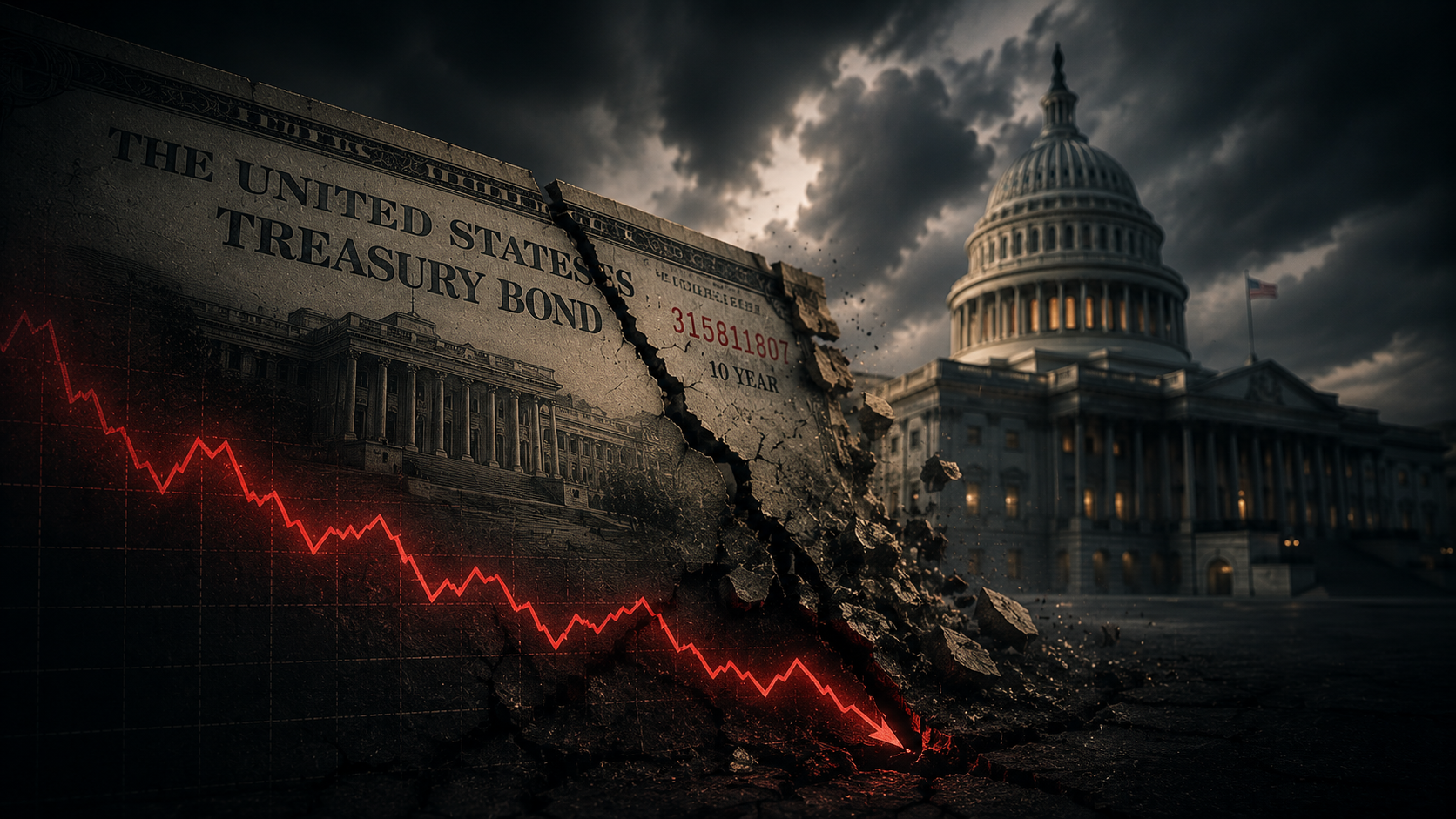
The United States is not collapsing tomorrow.
However, part of the long-term cost may increasingly appear through inflation pressure, rising interest expenses, and the gradual erosion of purchasing power.
The real question for the next decade is no longer:
“Can America keep borrowing?”
The more important question is:
“How long can the global system continue absorbing it without major structural change?”
None of this means the dollar system is about to disappear.
But history shows that even dominant financial systems eventually evolve under the weight of rising debt, geopolitical shifts, and technological change.
Markets rarely collapse overnight.
Instead, the biggest shifts usually begin with slow cracks appearing beneath systems once considered untouchable.
For investors, that means paying attention not only to interest rates and inflation, but also to:
- Treasury market stability
- de-dollarization trends
- geopolitical fragmentation
- AI-driven capital concentration
- and long-term confidence in U.S. fiscal policy
Because the future of the global economy may ultimately depend on how those forces evolve from here.
This was Mastermind, designing success.
'[Global] Success Blueprints' 카테고리의 다른 글