Why Is Sam Altman Challenging NVIDIA's AI Dominance?


The Real Reason Behind Samsung's Growing Role in AI
Hello, this is MasterMind.
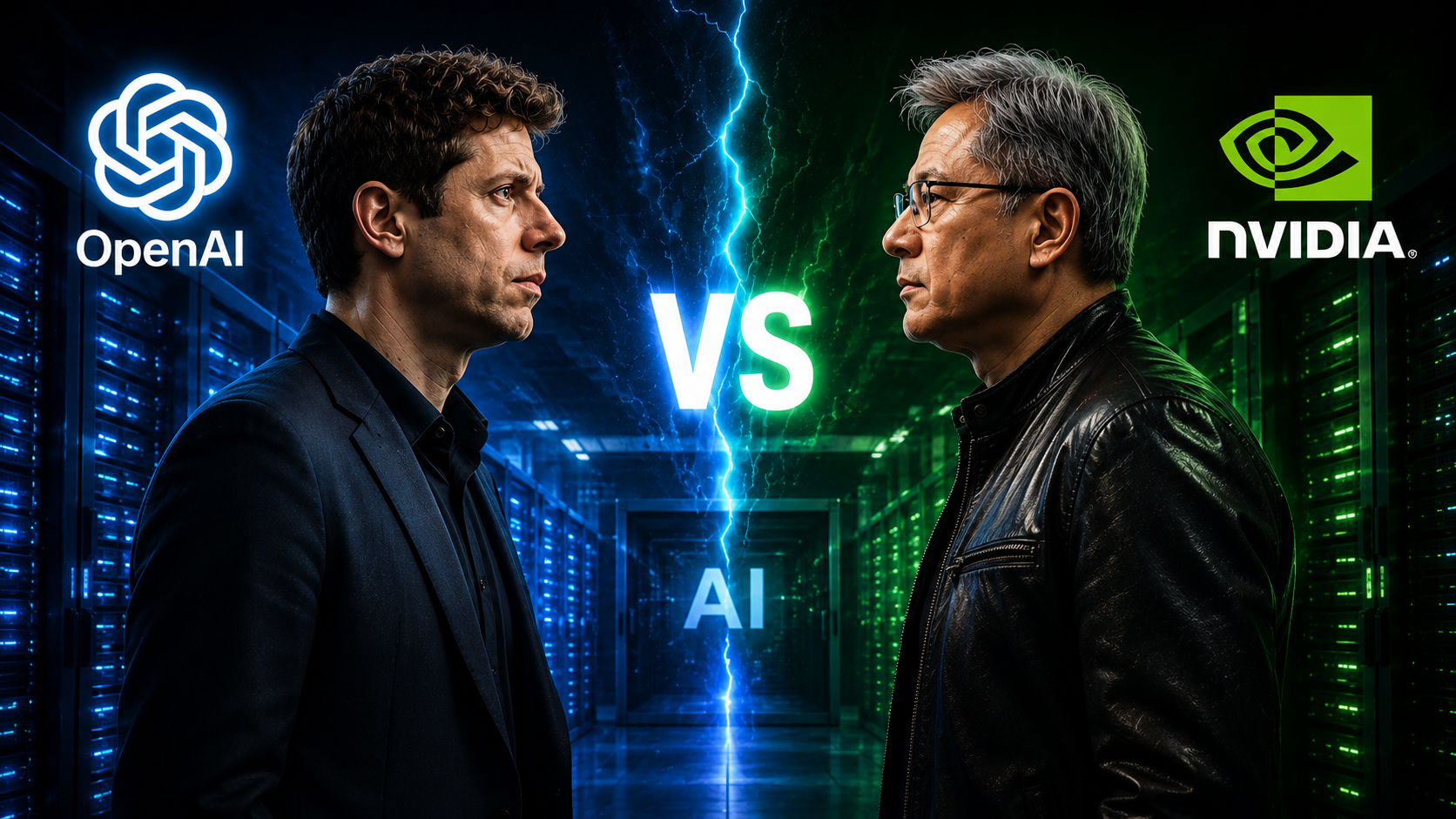
At first glance, Sam Altman and NVIDIA appear to be the perfect partners.
After all, OpenAI's rapid rise would not have been possible without NVIDIA's powerful GPUs, which became the backbone of the modern AI revolution.
But financial markets rarely focus on appearances.
They focus on power, dependency, and the movement of capital.
Recently, a different story has started to emerge.
Sam Altman appears increasingly interested in reducing OpenAI's dependence on NVIDIA and building alternative AI infrastructure. And at the center of that discussion stands South Korea's Samsung Electronics.
Why would the leader of one of the world's most influential AI companies seek alternatives to the dominant force in AI hardware?
More importantly, what does this tell us about the future of AI and the flow of capital?
Let's take a closer look.
The Real AI Power Game - Whoever Controls the Infrastructure Controls the Market
During the Gold Rush, the biggest fortunes were often made not by the miners, but by those who sold the tools.
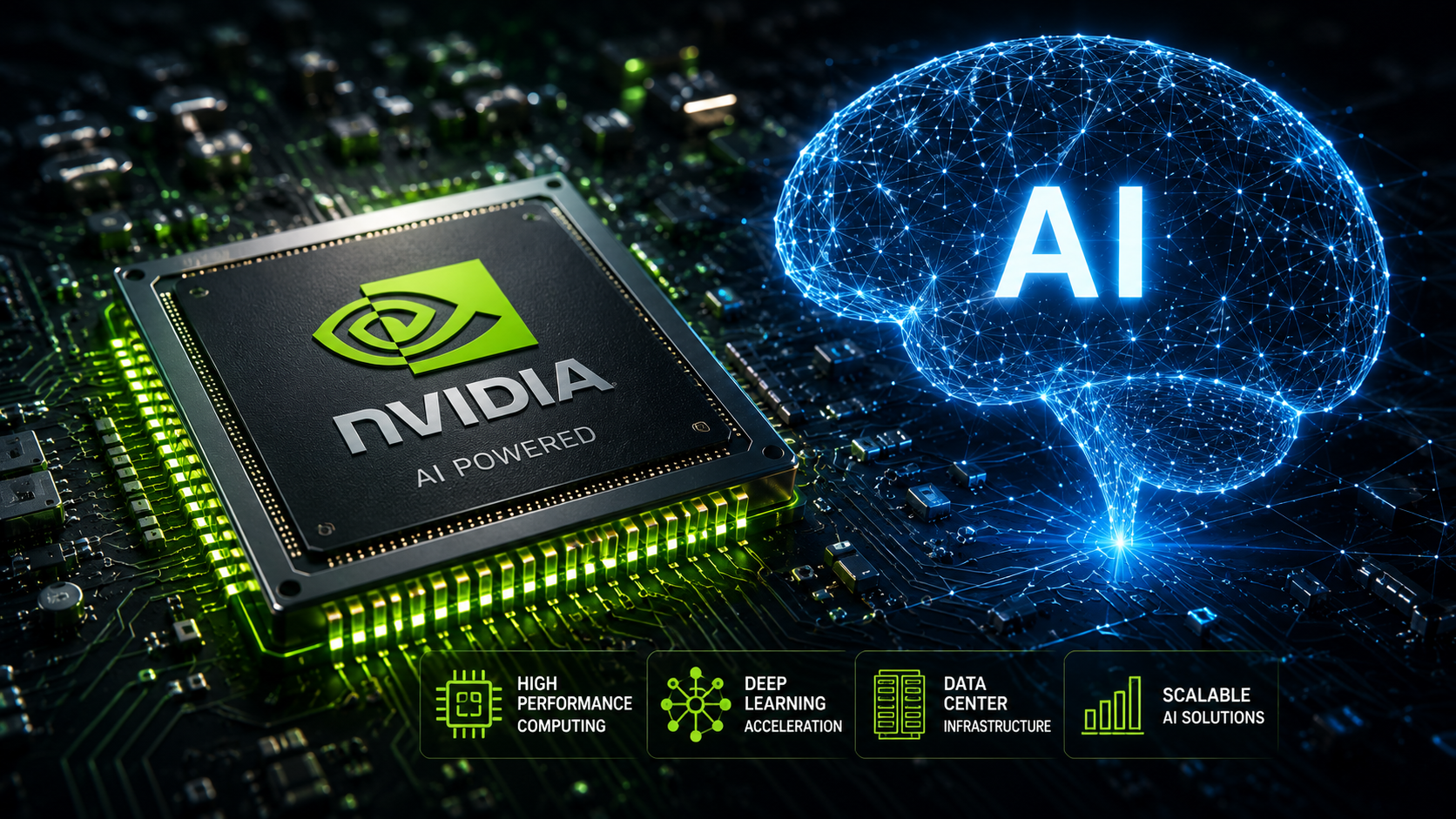
In today's AI Gold Rush, the most important tool is the GPU.
And NVIDIA has become the dominant supplier of that tool.
Training advanced AI models requires enormous computing power. Whether it's ChatGPT or other large language models, thousands of GPUs are needed to power the underlying infrastructure.
As AI demand continues to grow, NVIDIA's influence grows alongside it.
This creates significant pricing power.
When GPU prices rise, AI companies face higher costs.
When supply becomes constrained, development timelines can be delayed.
In other words, the growth of the AI industry has become heavily dependent on NVIDIA's ability to supply hardware.
This is what markets often describe as a bottleneck.
And it is precisely this bottleneck that concerns Sam Altman.
Key Changes Reshaping the Market
1. The Cost Limits of a Near-Monopoly

The AI race is no longer just about building better models.
It has become an infrastructure race.
The companies with access to the most computing power gain a significant competitive advantage.
However, NVIDIA's latest AI chips are expensive and often difficult to obtain due to overwhelming demand.
As capital expenditures continue to surge across the technology sector, maintaining profitability becomes increasingly challenging.
For AI companies, this is no longer simply a cost issue.
It is a long-term survival issue.
2. The Risks of Dependence on a Single Supplier
Markets care as much about risk as they do about opportunity.
Today, one of the biggest risks facing the AI industry is overreliance on a single company.
What happens if supply disruptions occur?
What if production delays emerge?
An entire industry could face significant challenges simultaneously.
The future of AI being tied to a single supply chain creates a structural vulnerability.
This helps explain why Altman is actively exploring alternatives.
3. Why Samsung and South Korea Are Gaining Attention

This is where South Korea enters the picture.
Samsung possesses two critical advantages that are becoming increasingly important in the AI era.
The first is High Bandwidth Memory (HBM).
HBM has become one of the most important components in modern AI systems because it dramatically improves performance and efficiency.
Some analysts have even described HBM as the "new oil" of the AI economy.
The second advantage is Samsung's advanced semiconductor manufacturing capability.
Very few companies possess both world-class memory technology and leading-edge foundry operations.
Samsung is one of them.
If a broader AI semiconductor ecosystem begins to form around Samsung, the industry's current power structure could gradually shift.
4. The Bigger Meaning Behind the AI Power Struggle
On the surface, NVIDIA and OpenAI remain close partners.
But markets are already looking beyond the partnership.
NVIDIA currently dominates AI infrastructure.
Sam Altman, however, appears focused on the next generation of AI infrastructure.
No industry wants its future controlled by a single supplier.
History shows that markets generally favor competition over concentration.
Once credible alternatives emerge, capital begins to move.
And when capital moves, industries often change.
Risks Investors Should Watch
The first risk is the gap between expectations and reality.
Building an alternative AI hardware ecosystem takes years, not months.
Even if major investments are made today, NVIDIA's dominance is unlikely to disappear overnight.
The second risk is valuation risk.
Many AI-related stocks already reflect extremely optimistic growth assumptions.
If growth slows or expectations are not met, volatility could increase significantly.
The third risk is technological disruption.
The AI industry is evolving at an unprecedented pace.
Today's leader is not guaranteed to remain tomorrow's leader.

What Are Wealthy Investors Watching?
Large investors rarely focus only on which stock might rise next.
Instead, they focus on where capital is flowing and which businesses can survive through changing market conditions.
As AI adoption accelerates, demand for GPUs, HBM memory, data centers, power infrastructure, and semiconductor manufacturing capacity will likely continue to increase.
Rather than trying to predict the ultimate winner of the AI race, sophisticated investors often focus on assets that remain essential regardless of who wins.
They ask simple but powerful questions:
✔ Does this company directly benefit from AI growth?
✔ Does it occupy an irreplaceable position within the supply chain?
✔ Can it generate strong cash flow during economic uncertainty?
✔ Can it survive even if industry leadership changes?
Strong businesses tend to survive even when liquidity tightens.
In investing, survival is often more important than prediction.
Final Thoughts
Sam Altman's efforts to reduce dependence on NVIDIA are about much more than finding another supplier.
They represent a broader attempt to reshape the balance of power within the AI ecosystem.
Whether Samsung ultimately becomes a central player in that transformation remains uncertain.
What is clear, however, is that markets are already paying attention.
The ultimate winners of the AI era may not be the companies with the most advanced technology alone.
They may be the companies that build the strongest and most resilient ecosystems.
Capital always seeks efficiency.
Markets always price the future before it arrives.
But successful investors are not those who perfectly predict the future.
They are the ones who survive long enough to benefit from it.
This was MasterMind.
'[Global] Success Blueprints' 카테고리의 다른 글