[Blueprint of Giants #06] Why Did Peter Thiel Reject Competition and Design Monopolies Instead?


The People Who Change the World Don't Follow Trends — They Discover Secrets
Hello, this is Mastermind.
From a young age, we're taught the same lessons.
- Compete harder.
- Work harder than everyone else.
- Beat your rivals.
But Peter Thiel, one of Silicon Valley's most influential and controversial thinkers, challenges all of these ideas.
In fact, he argues that competition is not a virtue at all.
It is a trap.
One of his most famous statements is simple:
"Competition is for losers."
If Elon Musk sees the world through first principles,
if Jensen Huang sees it through infrastructure,
if Jeff Bezos sees it through systems,
and if Sam Altman sees it through the future,
then Peter Thiel sees it through secrets.
Today's giant is the man who built his fortune by thinking differently from everyone else.
That man is Peter Thiel.
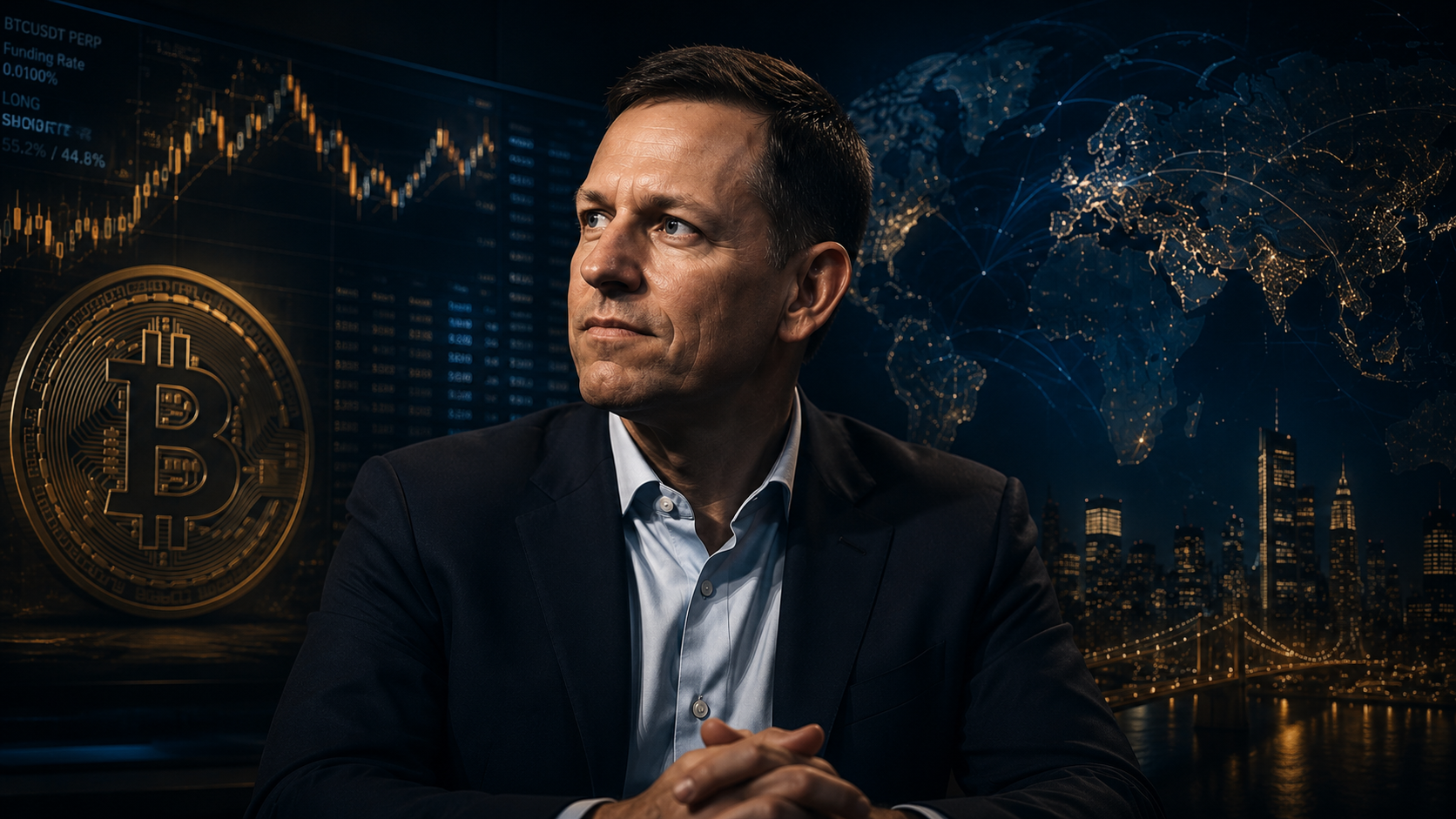
The Man Who Walks Against the Crowd
Most people know Peter Thiel as a co-founder of PayPal or one of Facebook's earliest investors.
But those accomplishments are not what make him extraordinary.
His true strength lies in his ability to discover truths that most people either ignore or refuse to believe.
While others chase popular trends, Thiel looks for opportunities hidden outside the spotlight.
Why?
Because wherever crowds gather, competition follows.
And where competition becomes intense, profits disappear.
Instead of joining the crowd, Thiel spends his time searching for places where nobody else is looking.
1. Don't Compete. Build a Monopoly.
Most people believe competition is the engine of capitalism.
Peter Thiel disagrees.
He argues that competition often destroys value.
In highly competitive markets, companies constantly lower prices, increase marketing expenses, and copy each other's ideas.
Everyone works harder.
Few actually win.
Think about local restaurants or small retail businesses fighting for the same customers.
Many survive.
Few thrive.
Monopolies operate differently.
A monopoly doesn't spend its energy fighting competitors.
It spends its energy building the future.
Companies with dominant market positions can invest more heavily in research, innovation, and long-term growth.
Consider how major technology leaders have used their market advantages to fund massive innovation efforts.
Thiel's first blueprint is clear:
"Don't focus on winning the competition. Create a market where competition becomes irrelevant."

2. Zero to One: Creating Something New
Peter Thiel divides progress into two categories.
From 1 to N
Taking something that already exists and expanding it.
From 0 to 1
Creating something entirely new.
Most entrepreneurs focus on 1 to N.

They see a successful business and try to replicate it.
They see a trend and attempt to join it.
But true breakthroughs come from 0 to 1.
When the world relied on traditional payment systems, Thiel helped create PayPal.
When Facebook was still a college project, he saw its future potential before almost everyone else.
His greatest successes came from betting on ideas that did not yet look obvious.
That is the essence of Zero to One.
3. The Search for Secrets
How do you create something truly original?
According to Peter Thiel, the answer is simple:
Find a secret.
He believes the world still contains important truths that remain undiscovered.
Most people assume everything worth knowing has already been found.
Thiel believes the opposite.
The greatest opportunities often exist where nobody is looking.
The Secret Behind Palantir
After the September 11 attacks, most people believed the solution to national security was more military power.
Peter Thiel saw a different problem.
He believed the real issue was information.
Governments possessed enormous amounts of data, but much of it remained disconnected and underutilized.
What if those pieces could be connected?
What if intelligence agencies could identify threats before they happened?
While Silicon Valley focused on social media and consumer applications, Thiel focused on data intelligence and national security.
That vision led to the creation of Palantir.

Today, Palantir has become one of the world's most influential data analytics companies, working with governments, defense organizations, and major institutions.
4. Peter Thiel's Most Famous Question
When interviewing candidates or evaluating ideas, Peter Thiel often asks one question:
"What important truth do very few people agree with you on?"
At first glance, the question seems simple.
In reality, it is incredibly difficult.
Most people repeat ideas that are already widely accepted.
Thiel is searching for something different.
He wants to know whether someone can think independently.
Can they challenge conventional wisdom?
Can they see opportunities hidden behind popular assumptions?
Because every major breakthrough begins as an unpopular idea.
Why Peter Thiel's Philosophy Matters Today
We live in an age of constant trends.
Yesterday it was social media.
Today it is AI.
Tomorrow it will be something else.
Most people ask:
"What should I invest in?"
"What industry is growing fastest?"
"What trend should I follow?"
Peter Thiel would likely ask a different question:
"What important secret do you know that everyone else is missing?"

People who chase trends usually arrive late.
People who discover secrets create entirely new markets.
Throughout history, the greatest fortunes and innovations were built not by following the crowd, but by seeing something the crowd could not.
Final Thoughts
The goal is not to work harder than everyone else.
The goal is to think differently.
Most people spend their lives trying to win existing games.
Giants create new games entirely.
Perhaps the greatest lesson from Peter Thiel is this:
Success does not come from competing more aggressively.
It comes from finding a path that nobody else can see.
Key Takeaway
"Giants don't compete. They create markets of their own."
— Mastermind
The Blueprint of Giants continues.
'[Global] Success Blueprints' 카테고리의 다른 글