Why Investors Are Looking at Samsung Again: Jensen Huang, HBM4, and the Future of AI Infrastructure


Hello, this is MasterMind.
Two recent developments have caught the attention of the semiconductor industry.
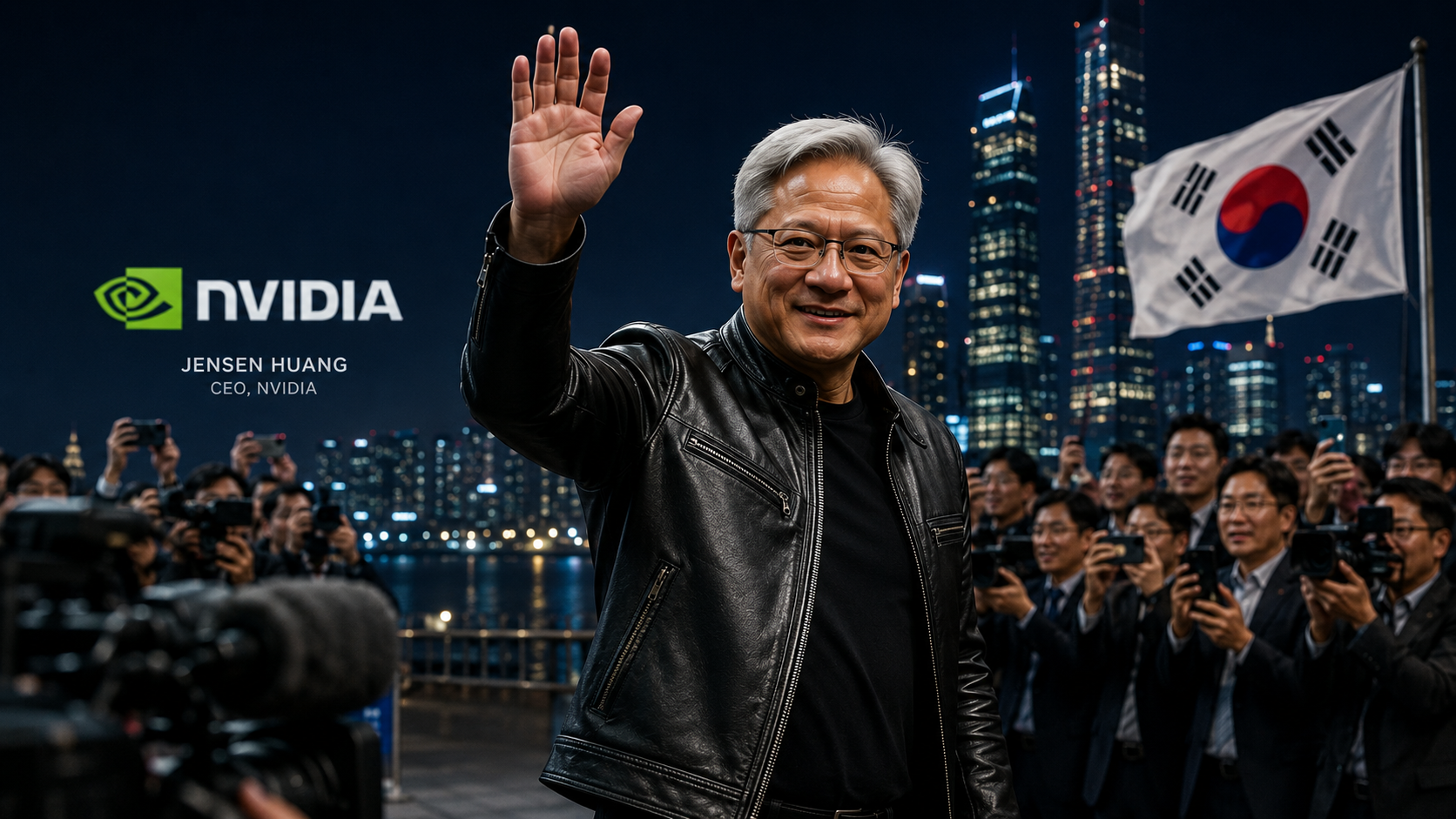
First, NVIDIA CEO Jensen Huang is visiting South Korea.
Second, Samsung Electronics has announced the world's first mass production of HBM4 memory and reached an agreement on special performance bonuses for its semiconductor division.
At first glance, these may seem like unrelated stories.
But markets rarely move based on isolated events.
Instead, they connect the dots.
And when we connect these dots, a much larger story begins to emerge.
The real question is not whether Samsung successfully produced HBM4.
The real question is whether the market has started to reassess Samsung's role in the global AI supply chain.
The Real Bottleneck in AI Isn't the GPU
When most people think about AI, they think about NVIDIA.
That makes sense.
NVIDIA has become the face of the AI revolution.
But AI infrastructure is much bigger than GPUs.
As AI models become larger and more complex, they require massive amounts of data to move through the system at incredible speeds.
This is where High Bandwidth Memory, or HBM, becomes critical.
Even the most powerful GPU cannot perform at its full potential if the memory system cannot keep up.
In other words, the AI race is no longer just about computing power.
It is about the entire ecosystem of GPUs, memory, packaging, networking, and data center infrastructure.
That is why HBM has become one of the most important battlegrounds in the semiconductor industry.
Why Jensen Huang's Visit Matters

Many investors focus on who Jensen Huang is meeting during his visit.
The market is focused on something else.
Why is South Korea becoming increasingly important in the AI supply chain?
The answer lies in scale.
AI infrastructure spending is accelerating around the world.
Cloud providers, technology giants, and governments are investing billions of dollars into AI data centers.
As demand grows, relying on a single supplier becomes risky.
This is why supply chain diversification has become a strategic priority.
South Korea plays a unique role in this ecosystem.
The country is home to some of the world's most advanced memory manufacturers, semiconductor suppliers, and technology infrastructure companies.
Jensen Huang's visit is not simply a business trip.
It reflects the growing strategic importance of South Korea in the next phase of AI expansion.
Why Is the Market Looking at Samsung Again?
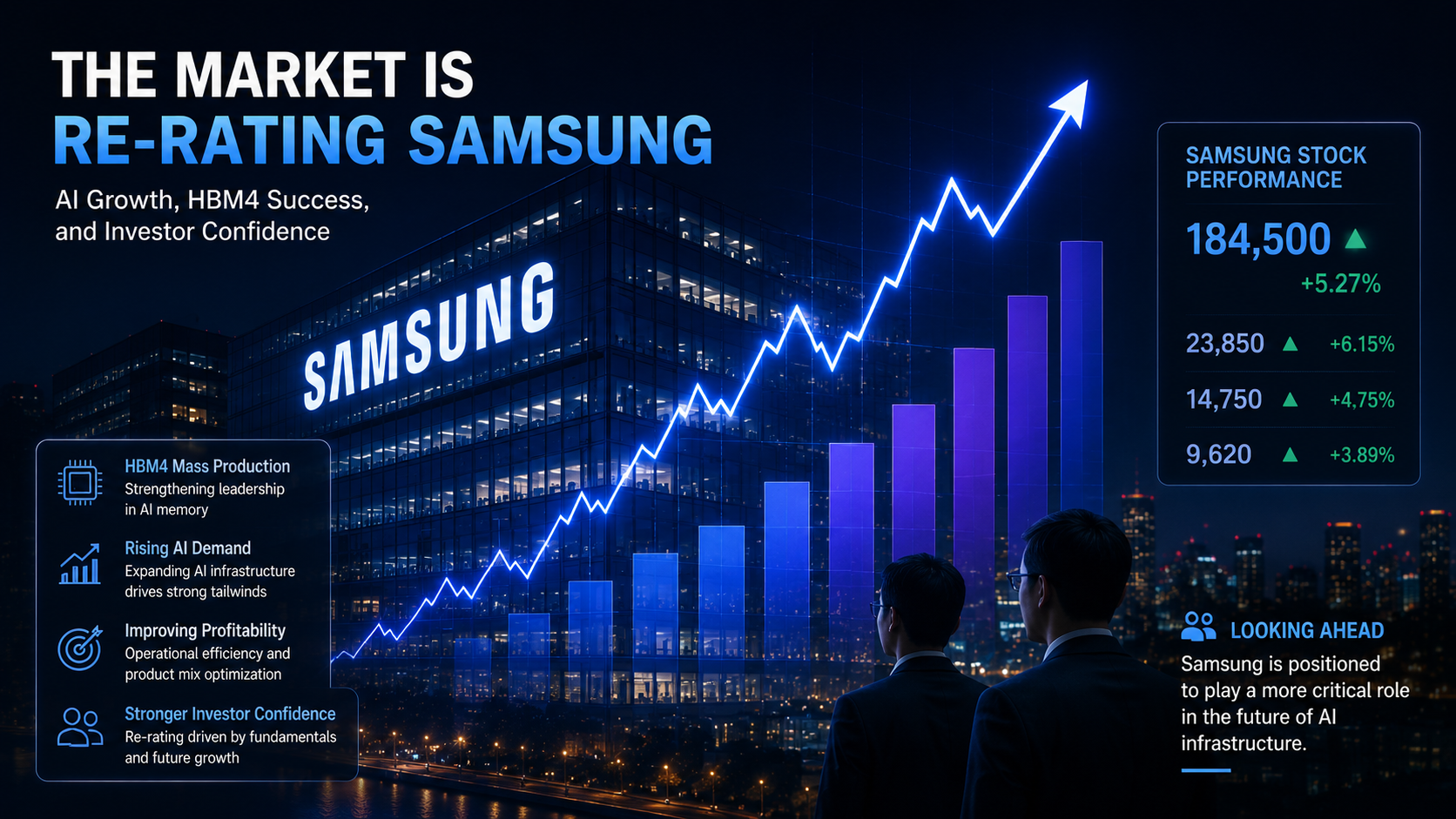
This is where the story becomes interesting.
A year ago, the narrative was very different.
Many investors viewed SK Hynix as the primary winner of the AI memory boom.
Samsung, meanwhile, was often described as lagging behind in the HBM race.
That perception shaped market expectations.
But markets are forward-looking.
And lately, investors seem to be looking beyond the current generation of AI hardware.
The focus is shifting from HBM3 to HBM4.
From today's AI infrastructure to the infrastructure that will be built over the next several years.
The market is not changing its view because of what Samsung was.
It is changing its view because of what Samsung could become.
Why HBM4 Changes the Conversation
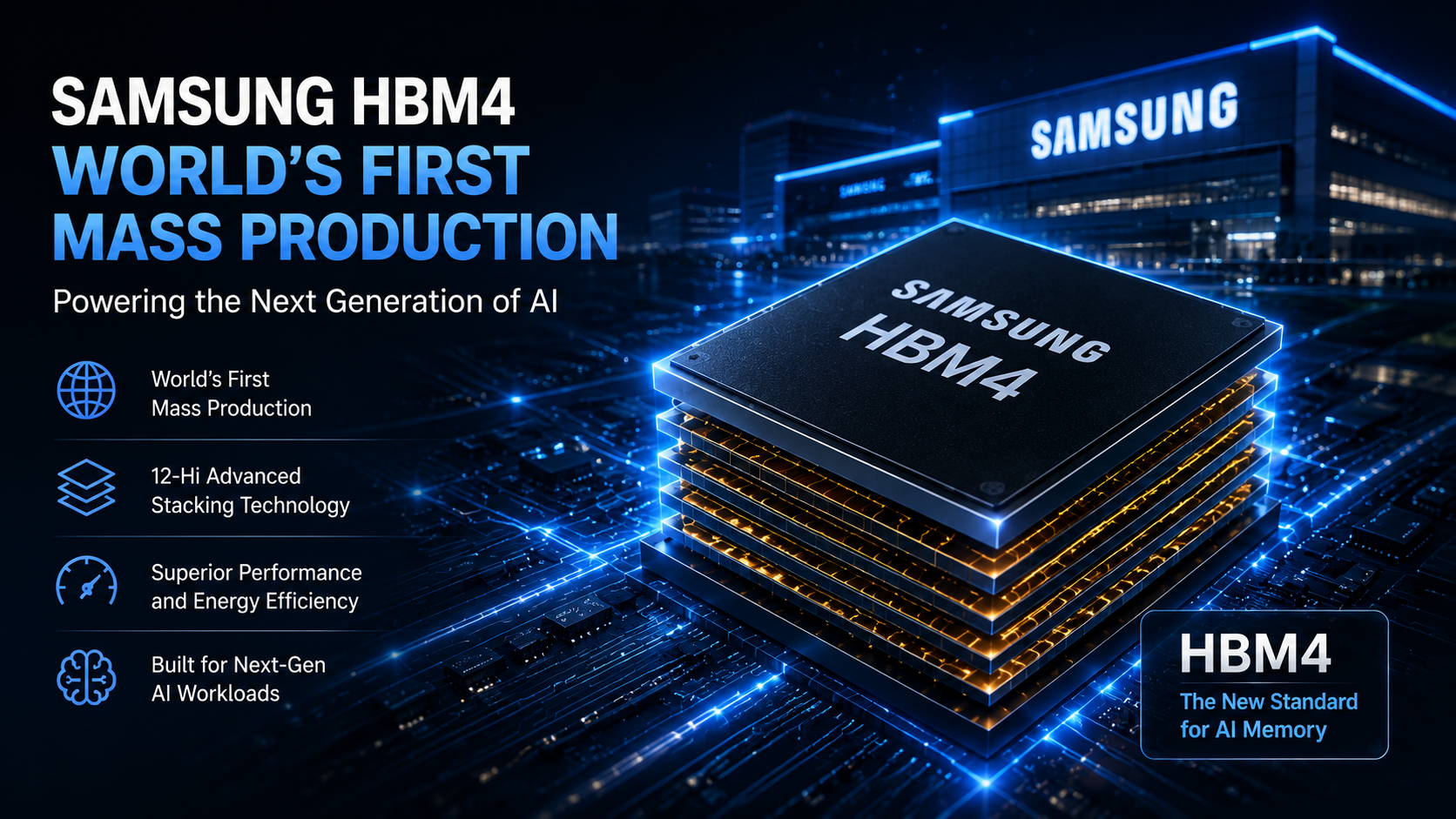
Samsung's HBM4 achievement is about much more than memory.
The next generation of AI systems requires deeper integration between memory, advanced logic chips, and packaging technologies.
This is where Samsung's business model becomes important.
Samsung is not just a memory company.
It operates across multiple layers of the semiconductor stack.
It has expertise in:
- HBM memory
- DRAM manufacturing
- Advanced foundry services
- Semiconductor packaging technologies
Very few companies possess all of these capabilities under one roof.
As AI systems become more complex, integrated semiconductor ecosystems may become increasingly valuable.
The future winners of AI may not simply be companies that build the best individual component.
They may be the companies capable of connecting the entire system together.
NVIDIA Is Not the Entire AI Story
Another common mistake investors make is assuming that the future of AI depends solely on NVIDIA.
NVIDIA is the dominant player today.
But AI infrastructure is becoming a much broader market.
AMD continues to expand its AI accelerator business.
Google is investing heavily in custom AI chips.
Microsoft, Amazon, and other cloud providers are building increasingly sophisticated AI infrastructure.
As AI adoption spreads, demand for advanced memory solutions will likely expand across the industry.
That means Samsung's opportunity is not tied to a single customer.
It is tied to the overall growth of AI infrastructure.
And that is a much larger market.
The Signal Hidden in South Korea's Semiconductor Exports
One of the easiest ways to separate hype from reality is to follow the money.
AI excitement can drive headlines.
Actual demand shows up in orders, exports, and earnings.
Recent strength in South Korea's semiconductor exports suggests that AI investment is translating into real-world demand.
This is an important distinction.
Markets can rise on expectations.
Businesses grow on revenue.
And revenue comes from customers placing orders.
The AI story is increasingly moving from speculation to implementation.
That shift matters.
Because capital tends to flow toward industries where demand is becoming tangible rather than theoretical.
What Are Wealthy Investors Watching?
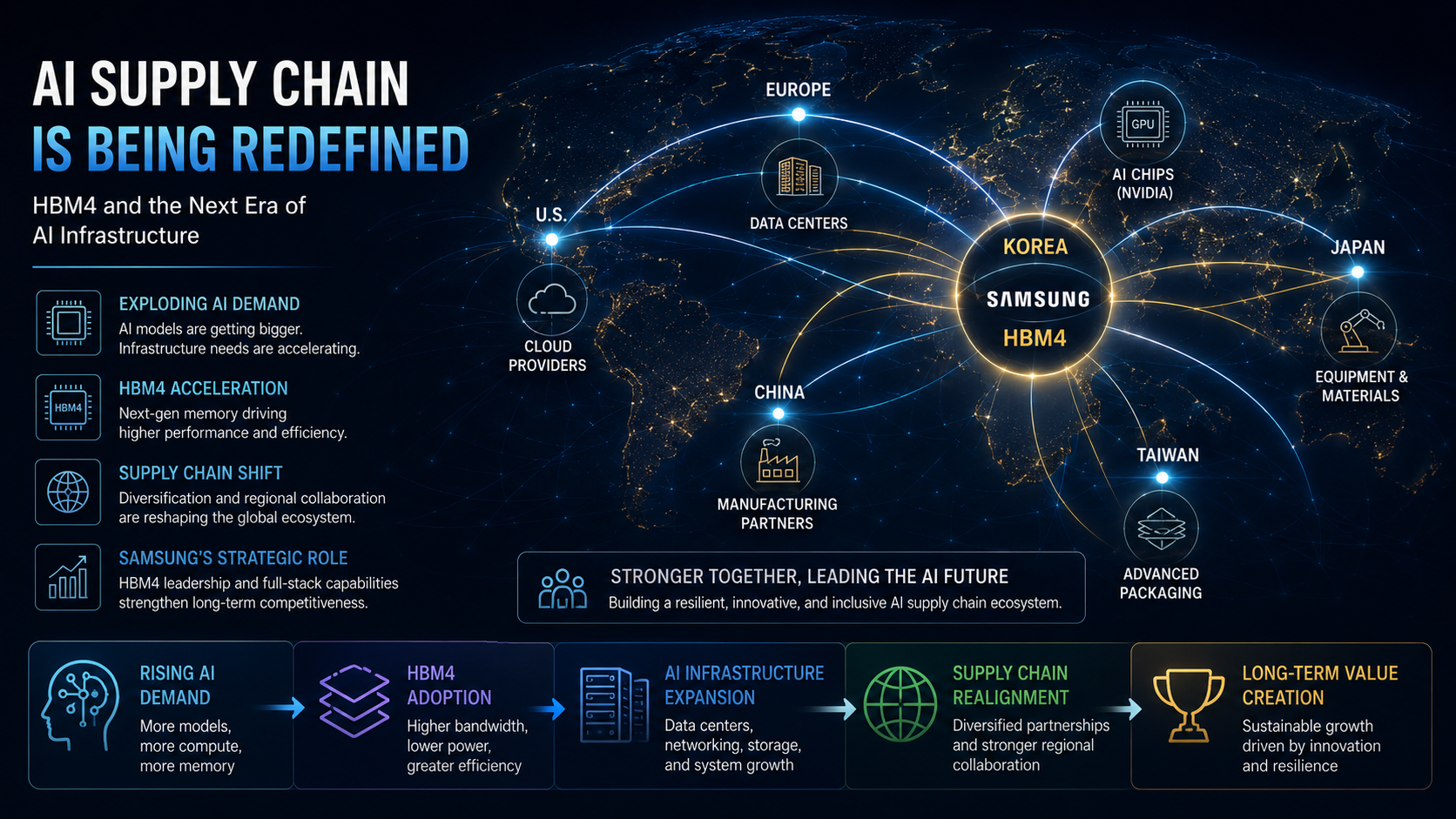
Experienced investors often focus less on headlines and more on positioning.
The question is not whether Samsung paid performance bonuses.
The question is whether Samsung's position within the global AI supply chain is improving.
Capital flows toward resilience.
It flows toward companies that occupy critical positions in growing industries.
And it flows toward businesses that are difficult to replace.
Wealthy investors may ask questions like:
- Who will generate the most cash flow if AI continues growing over the next decade?
- Which companies are becoming more important to the AI ecosystem?
- What changes has the market not fully priced in yet?
These are the questions that often matter more than the daily news cycle.
Final Thoughts
Jensen Huang's visit to South Korea and Samsung's HBM4 breakthrough may appear to be separate stories.
But viewed through the lens of the global AI supply chain, they point in the same direction.
It may be too early to declare that Samsung has fully returned to the center of the AI industry.
However, one thing is becoming increasingly clear.
The market is no longer evaluating Samsung using yesterday's standards.
And some of the biggest investment opportunities emerge precisely when market perceptions begin to change.
What do you think?
Is Samsung positioning itself to become one of the key beneficiaries of the next phase of AI infrastructure growth?
Success does not belong to those who simply follow trends. It belongs to those who recognize changing currents before everyone else and prepare for them.
'[Global] Success Blueprints' 카테고리의 다른 글