Carbon Fiber Investment Thesis: Aerospace, Defense, Hydrogen, and the Next Industrial Growth Cycle


Hello, this is MasterMind.
When investors think about the technologies shaping the future, they often focus on artificial intelligence, semiconductors, electric vehicles, or renewable energy.
But behind many of these high-profile industries lies a less visible, yet immensely critical opportunity: carbon fiber.
Stronger than steel, significantly lighter, and capable of withstanding extreme conditions, carbon fiber has become one of the most important advanced materials in the modern economy.
From rockets and satellites to fighter jets and hydrogen storage tanks, this material is increasingly viewed as a strategic asset rather than a simple industrial product.
As governments increase defense spending, private companies accelerate space exploration, and hydrogen infrastructure expands globally, demand for carbon fiber is expected to grow alongside them.
This raises an important question:
Could carbon fiber become one of the most strategically important industrial materials of the next decade?
1. Why Carbon Fiber Matters
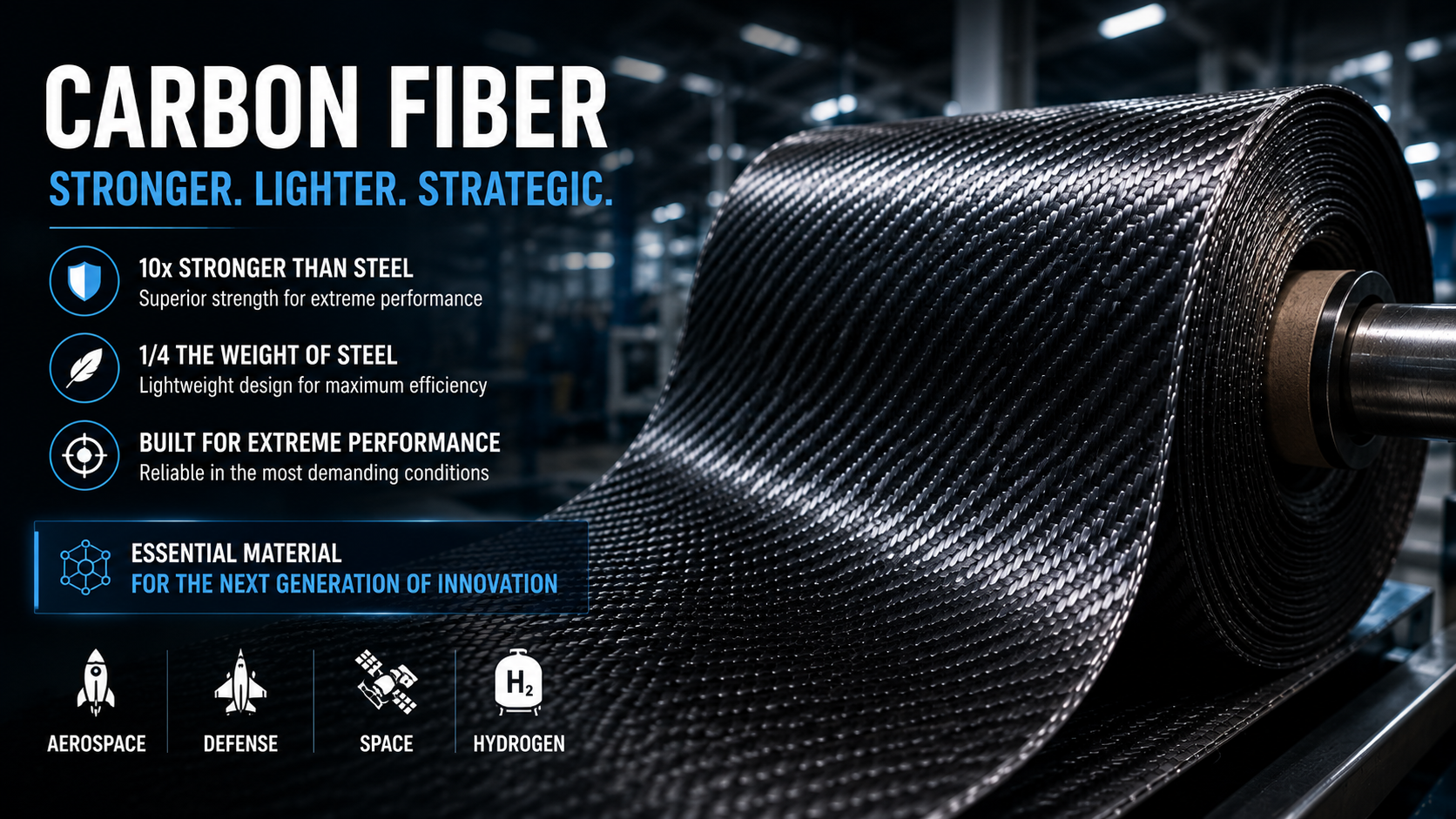
Carbon fiber offers a unique combination of strength and weight reduction.
It can be significantly stronger than steel while weighing only a fraction as much.
This makes it an ideal material for industries where performance, durability, and efficiency are non-negotiable.
Aerospace
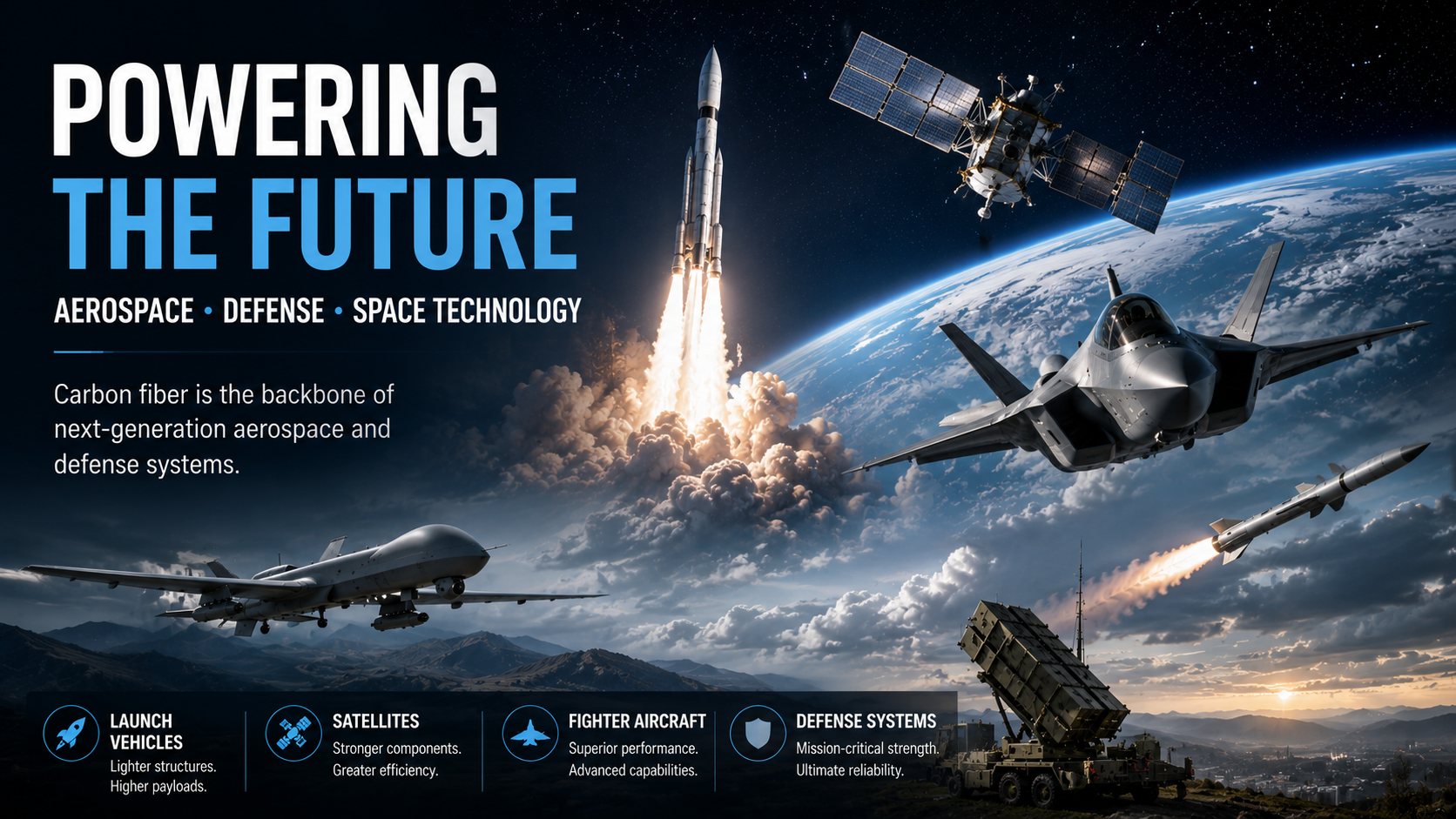
Rocket companies and satellite manufacturers use carbon fiber to reduce launch weight, improve payload efficiency, and lower operational costs.
Defense
Defense contractors rely heavily on carbon fiber for missile systems, military drones, fighter aircraft, and next-generation defense platforms.
Hydrogen Infrastructure
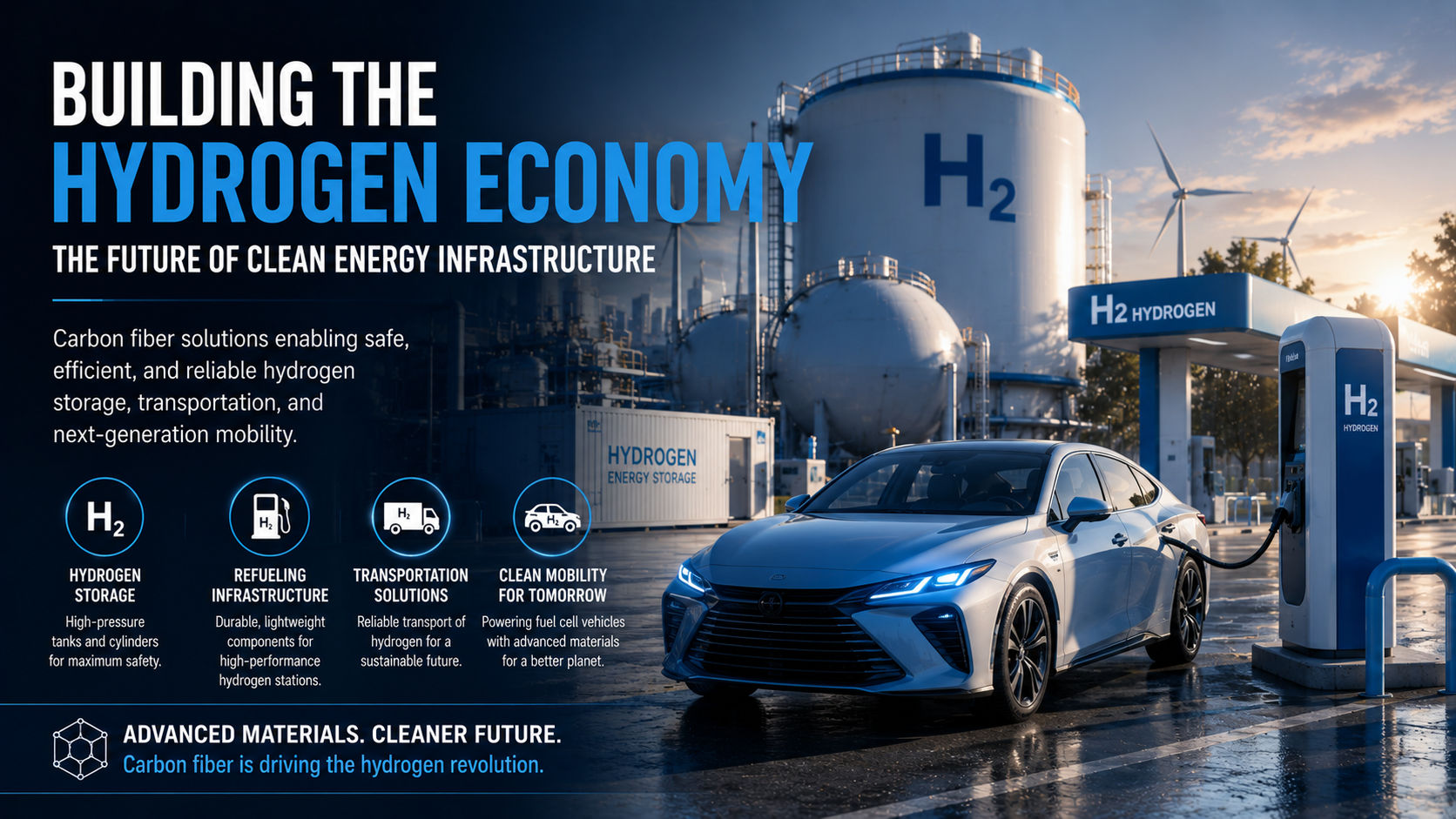
Safely storing hydrogen requires tanks capable of handling extremely high pressures.
Carbon fiber plays a critical role in the construction of these advanced storage systems.
In many of these applications, there is simply no practical substitute.
2. A Market Long Dominated by Japan

One of the most attractive aspects of the carbon fiber industry from an investment perspective is its unusually high barrier to entry.
For decades, the global market was heavily dominated by a small group of Japanese manufacturers, including Toray, Teijin, and Mitsubishi Chemical.
These companies built powerful competitive advantages through decades of research, manufacturing expertise, and rigorous quality control.
This dominance was not accidental.
Carbon fiber production requires highly specialized knowledge in precursor chemistry, multi-stage heat treatment processes, and quality consistency at scale.
Building a factory is relatively easy.
Producing aerospace-grade carbon fiber with near-perfect reliability is extraordinarily difficult.
The industry's technical complexity has limited competition and helped preserve strong economic moats for established players.
For investors, this matters.
Industries with high barriers to entry often provide stronger long-term competitive advantages than industries where new competitors can enter easily.
At the same time, global supply chains are evolving.
Governments and corporations are increasingly seeking alternative suppliers for strategically important materials, creating opportunities for new participants to gain market share.
3. The Emergence of New High-End Suppliers

While the carbon fiber industry was historically dominated by traditional Japanese suppliers, new players have gradually emerged over the past decade.
One notable example is Hyosung Advanced Materials.
The company successfully commercialized its proprietary carbon fiber brand, TANSOME, and became one of the few manufacturers capable of producing high-performance carbon fiber at scale.
More importantly, Hyosung developed T-1000 grade ultra-high-strength carbon fiber, a premium specification primarily used in aerospace and defense applications.
For many years, this level of technology was associated almost exclusively with a small number of manufacturers in Japan and the United States.
The achievement highlighted how difficult it remains to enter the highest tiers of the carbon fiber market.
However, investors should focus on more than technological breakthroughs.
The real question is whether advanced materials can transition from research achievements into meaningful commercial results.
In industries such as aerospace and defense, certification and qualification processes can take years.
As a result, commercialization often occurs long after the initial technology announcement.
While the technology breakthrough occurred in 2022, the next phase is about monetization rather than innovation.
Investors are watching closely to see whether certifications, customer approvals, and production ramp-ups translate into larger contracts and meaningful revenue contributions over the coming years.
4. Aerospace, Defense, and Hydrogen Demand Is Accelerating
Several structural trends continue to support long-term carbon fiber demand.
The Space Economy
Governments and private companies are investing heavily in launch vehicles, satellite networks, and space infrastructure.
Weight reduction remains one of the most effective ways to improve mission economics, making carbon fiber increasingly valuable.
Defense Modernization
Rising geopolitical tensions have triggered significant increases in defense spending around the world.
Missiles, drones, advanced aircraft, and defense systems increasingly depend on lightweight, high-strength materials.
Hydrogen Infrastructure
Many countries continue investing in hydrogen transportation, storage, and industrial applications.
Since carbon fiber is essential for high-pressure hydrogen storage systems, it stands to benefit from the broader development of hydrogen infrastructure.
Together, these industries create multiple long-term demand drivers for carbon fiber producers.
5. The Supply Chain Diversification Opportunity
Another major investment theme is supply chain diversification.
The United States and Europe have increasingly emphasized supply chain resilience in strategically important industries.
Rather than relying on a limited number of suppliers, governments and corporations are seeking broader sourcing options for critical materials.
Carbon fiber sits directly within this trend.
As aerospace, defense, and advanced manufacturing sectors expand, trusted suppliers with proven production capabilities may become increasingly valuable.
This shift does not necessarily require explosive demand growth.
Even a gradual reallocation of supply chains can create meaningful opportunities for established manufacturers operating outside traditional market concentrations.
Final Thoughts
If semiconductors became the foundation of the digital economy, high-performance carbon fiber could become the steel of the aerospace, defense, and hydrogen economy.
What makes the industry particularly interesting is the combination of growing demand, high barriers to entry, limited supply, and increasing geopolitical importance.
Carbon fiber is not a consumer product.
It is an enabling technology.
It sits at the intersection of aerospace expansion, defense modernization, hydrogen infrastructure development, and global supply chain diversification.
For long-term investors, these characteristics make carbon fiber one of the industrial sectors worth watching as governments and companies continue building the technologies of the future.
This article is for informational purposes only and should not be considered investment advice. Investors should conduct their own research before making any investment decisions.
'[Global] Success Blueprints' 카테고리의 다른 글