Why America Is Obsessed With Quantum Computing


The Next Global Power War After AI
Right now, the entire market is focused on AI.
Every NVIDIA earnings report shakes the stock market.
Power infrastructure stocks are surging.
Big Tech companies are pouring billions into AI data centers.
But while most people are staring at AI, another technological race is quietly accelerating beneath the surface.
And this time, it could reshape global power itself.
That technology is quantum computing.
For years, quantum computing sounded like science fiction — something reserved for physicists and research labs.
But the money tells a different story.
The United States has already classified quantum computing alongside AI and advanced semiconductors as one of the critical technologies that could define the next world order.
And now, governments, Wall Street, and Big Tech are all moving at the same time.
1. Why Quantum Computing Is Different
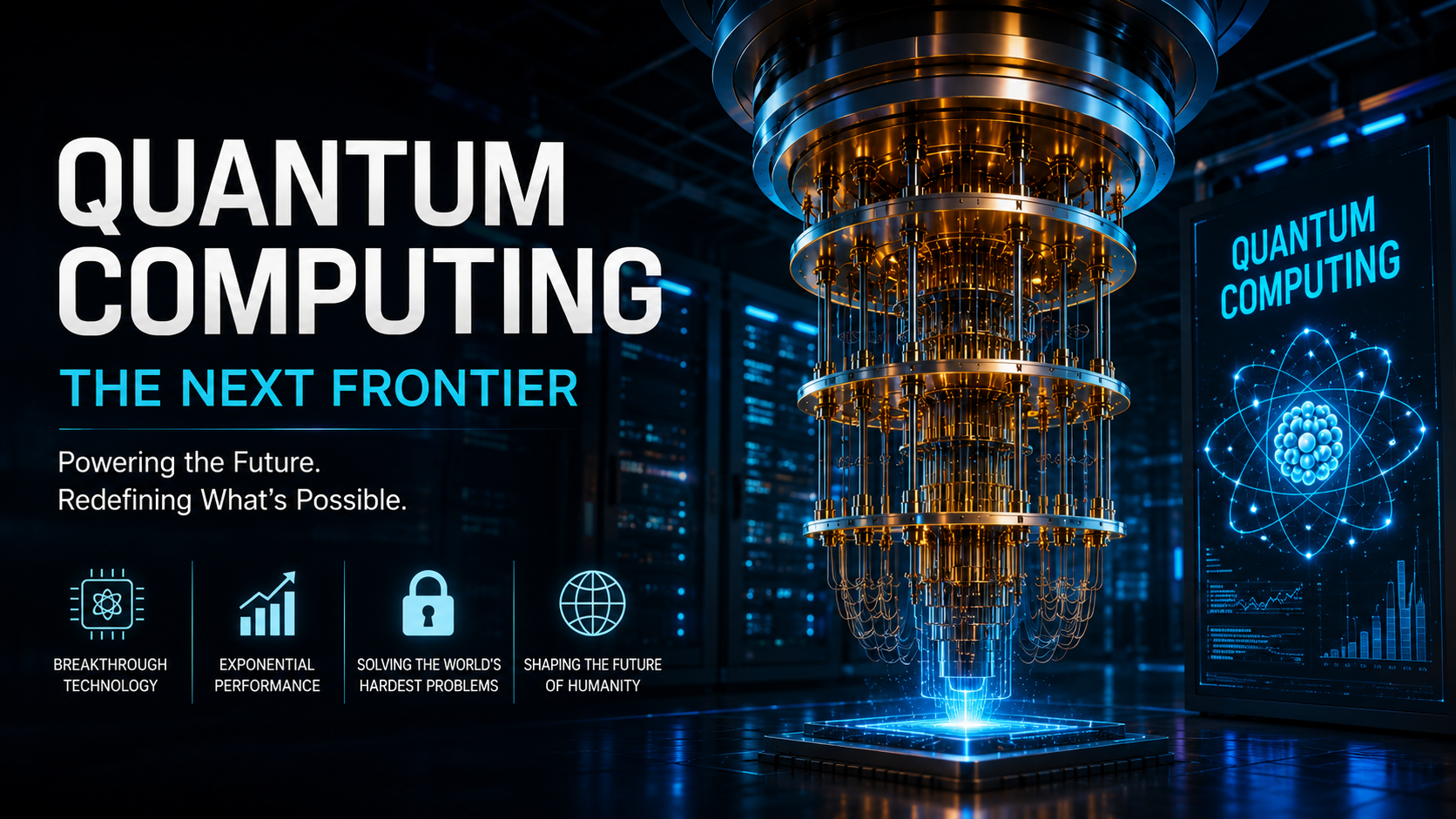
Traditional computers operate using “bits.”
Every calculation is processed through either
- 0
- or 1
No matter how powerful modern computers become, they still process information sequentially.
Quantum computers work differently.
They use “qubits,” which can represent
- 0
- 1
- or both at the same time
This allows quantum systems to process enormous numbers of possibilities simultaneously.
A simple analogy
- Traditional computers solve a maze one path at a time.
- Quantum computers attempt many paths simultaneously.
For certain types of problems, this could dramatically outperform today’s most advanced supercomputers.
If AI transformed how machines process data,
quantum computing could transform the limits of computation itself.
2. Why the U.S. Government Is Investing Aggressively
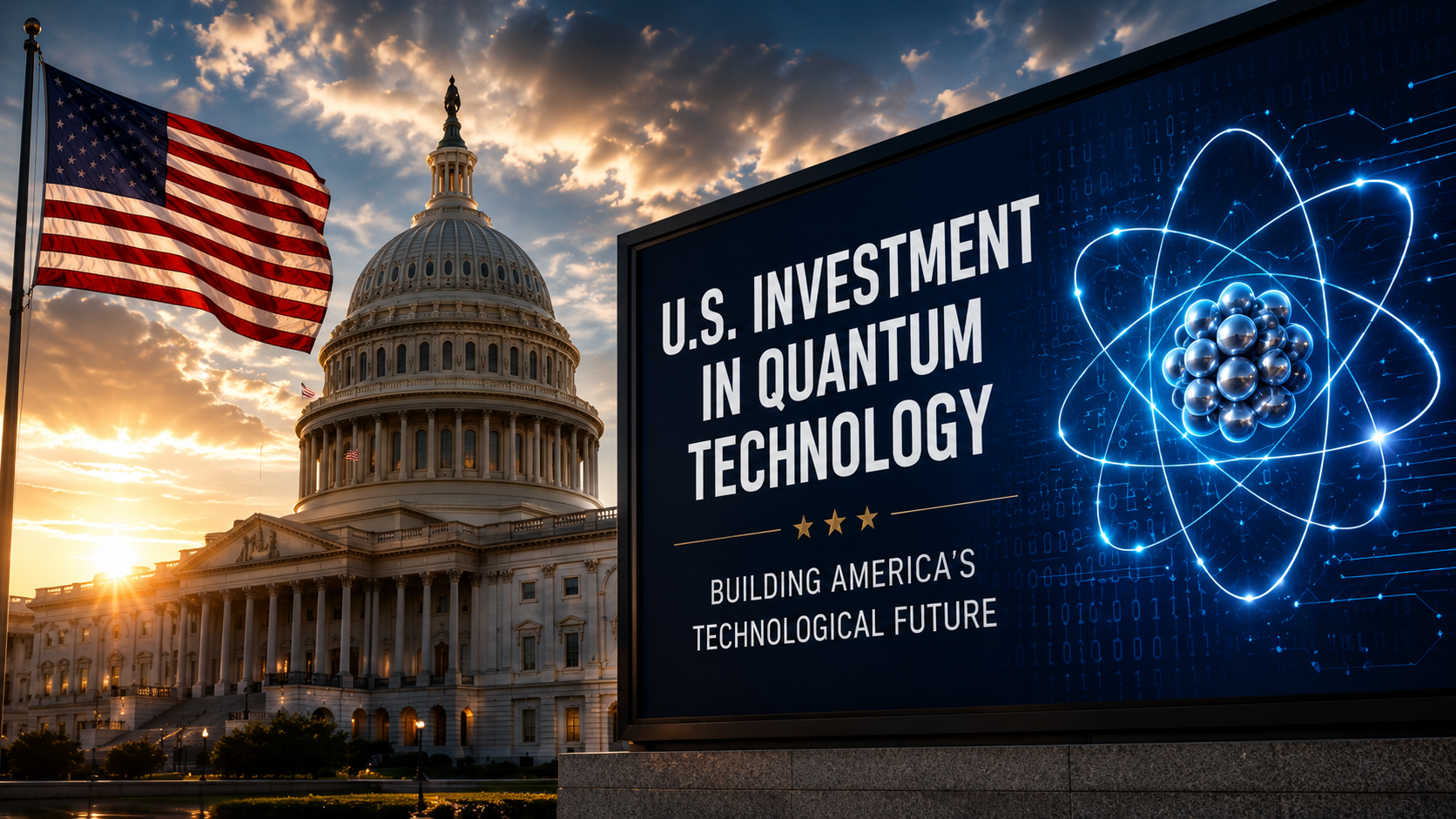
The most important signal is not the technology itself.
It’s the government response.
The U.S. government has begun heavily supporting quantum computing initiatives through semiconductor and national technology programs.
Major companies involved in the race include
- IBM
- Microsoft
But this is not just about supporting innovation.
Quantum computing is increasingly being treated as a strategic national asset tied to
- cybersecurity
- military systems
- AI infrastructure
- financial systems
- next-generation communications
In other words
The country that dominates advanced computation could gain enormous geopolitical leverage in the future.
3. The Real Story Is Global Power Competition
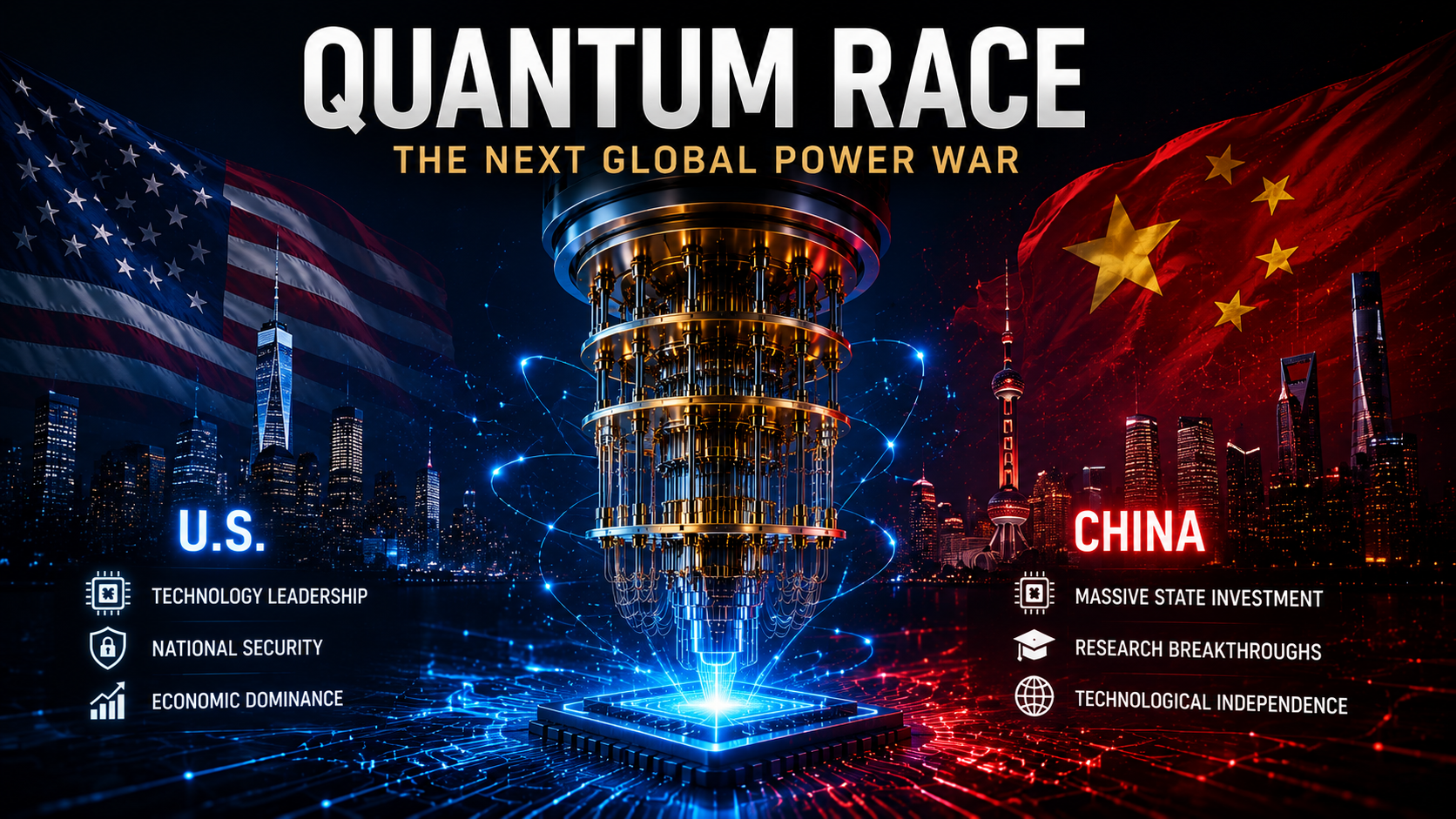
This is no longer just a technology race.
It’s becoming a geopolitical race.
The United States and China are already competing aggressively in
- AI
- semiconductors
- critical supply chains
- advanced computing
Quantum technology is becoming another front in that competition.
China has invested heavily in
- quantum communication
- quantum encryption
- national research infrastructure
At the same time, the U.S. continues expanding partnerships between government agencies, universities, and private technology firms.
The concern is simple
The first country to achieve meaningful breakthroughs in quantum systems could influence the future standards of
- security
- finance
- communications
- and digital infrastructure
4. Why Markets Are Starting To Pay Attention
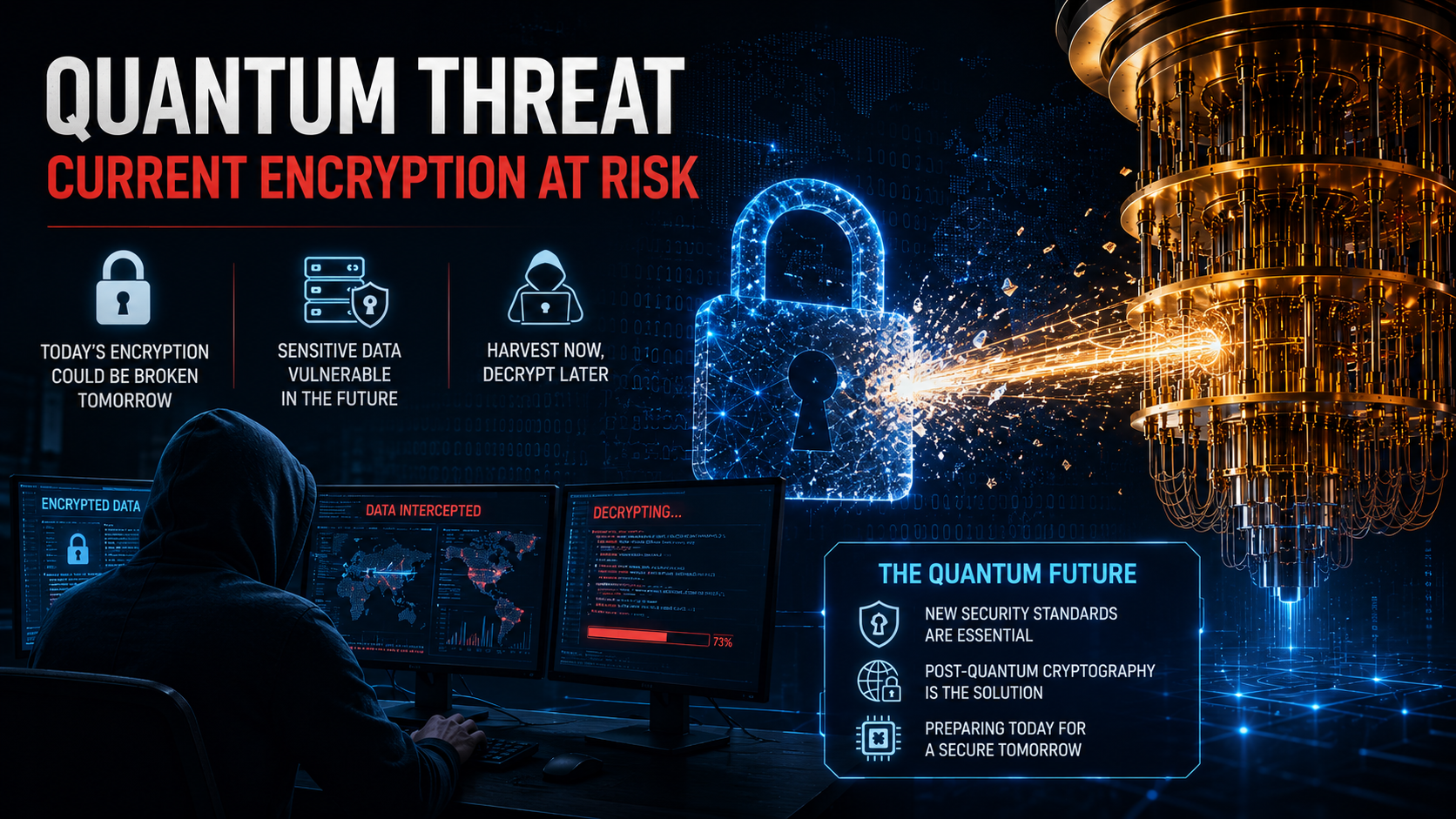
One of the biggest concerns surrounding quantum computing is cybersecurity.
Modern internet security relies heavily on current encryption systems.
But many experts believe that sufficiently advanced quantum computers could eventually break parts of today’s encryption standards.
This has created growing concern around a scenario often described as
“Harvest Now, Decrypt Later”
The idea is that sensitive encrypted data could be stolen today and decrypted in the future once quantum systems become powerful enough.
That has massive implications for
- governments
- banks
- cloud infrastructure
- military systems
- cryptocurrency networks
As a result, countries and technology companies are already working on “post-quantum cryptography” designed to survive future quantum attacks.
5. Where Investors Are Looking Next

Quantum computing is still in its early stages.
There are major technical challenges
- high error rates
- qubit instability
- extreme cooling requirements
- massive infrastructure costs
Commercialization may still take years.
But markets rarely wait for technologies to fully mature.
Capital usually moves early toward
- infrastructure
- supply chains
- enabling technologies
- and platform leaders
That’s why investors are increasingly watching companies connected to
- quantum hardware
- semiconductor manufacturing
- advanced cooling systems
- cybersecurity
- specialized materials
Rather than focusing only on speculative startups, many investors are paying closer attention to large technology firms with the financial power to build entire quantum ecosystems.
Final Thoughts
A few years ago, generative AI was still considered experimental technology.
Today, AI sits at the center of the global economy.
Quantum computing may follow a similar path.
Right now, it still feels distant and highly technical.
But governments, capital markets, and Big Tech companies are already positioning themselves for what comes next.
And the next global power war may not be about who builds the best AI model.
It may be about who controls the future of computation itself.
The next era of technological dominance may have already begun.
MasterMind.
'[Global] Success Blueprints' 카테고리의 다른 글
| The Real Way Quantum Computers Could Break Bitcoin (0) | 2026.05.28 |
|---|---|
| Why Are Retail Investors Struggling While Nasdaq Keeps Soaring? (0) | 2026.05.23 |
| ASML May Be More Important Than Nvidia in the AI Era (0) | 2026.05.22 |
| Why Wall Street Is Suddenly Obsessed With SpaceX IPO (0) | 2026.05.22 |
| NVIDIA Earnings Blowout: $81.6 Billion Revenue Crushes Expectations as AI Boom Accelerates (0) | 2026.05.21 |