[Insight] Inflation Is Back: Why Your Wallet Feels Thinner While Energy Prices Surge


(The Paradox of Energy Inflation)
Hello, this is Mastermind.
Inflation is coming back.
And this time, rising energy prices may keep interest rates higher for much longer than people expect.
Just when markets began hoping for rate cuts, the latest U.S. CPI report shocked investors once again. Inflation came in hotter than expected, reminding the world that the inflation battle is far from over.
And while technology continues to advance and stock markets appear resilient on the surface, ordinary people are asking a much simpler question:
“Why does life still feel so expensive?”

Gas prices are rising again.
Electricity bills remain elevated.
Groceries still refuse to get cheaper.
Today, let’s go beyond the headlines and examine the hidden structure behind what I call the “Paradox of Energy Inflation.”
1. The Return of the Energy Shock

This is no longer just about paying a little more at the gas station.
The very foundation of the global energy system is becoming unstable again.
Supply Chains Under Pressure
As geopolitical tensions continue escalating in the Middle East, concerns surrounding the Strait of Hormuz — a route responsible for nearly 20% of global oil transportation — are growing rapidly.
Oil Prices Climb Again
With WTI crude oil moving above $110 per barrel, the consequences spread far beyond energy markets.
Transportation costs rise.
Manufacturing costs rise.
Even fertilizer prices have surged sharply, increasing the likelihood of another wave of food inflation worldwide.
We are entering another phase of cost-push inflation — a dangerous environment where rising production costs push prices higher across the entire economy.
And when energy becomes unstable, inflation rarely stays contained.
2. Why Inflation Feels “Sticky”
Many people ask:
“If this is just a temporary supply issue, won’t inflation eventually cool down on its own?”
Unfortunately, the reality is much harsher.
When energy prices rise, businesses across every industry face higher operating costs. Those costs are eventually passed onto consumers.
That’s why inflation becomes “sticky.”
The Vicious Cycle
- Energy prices rise
- Logistics and production costs increase
- Companies raise prices
- Consumers lose purchasing power
- Inflation stays elevated
And once inflation expectations become psychologically embedded into society, central banks become extremely cautious.
The Federal Reserve’s Dilemma
The Federal Reserve understands that cutting rates too early could allow inflation to return even stronger.
As a result, policymakers are increasingly leaning toward a “Higher for Longer” approach — keeping interest rates elevated until inflation is fully under control.
For many households, inflation no longer feels like an economic statistic.
It feels like survival.
3. Energy Rises, Rate Cuts Disappear
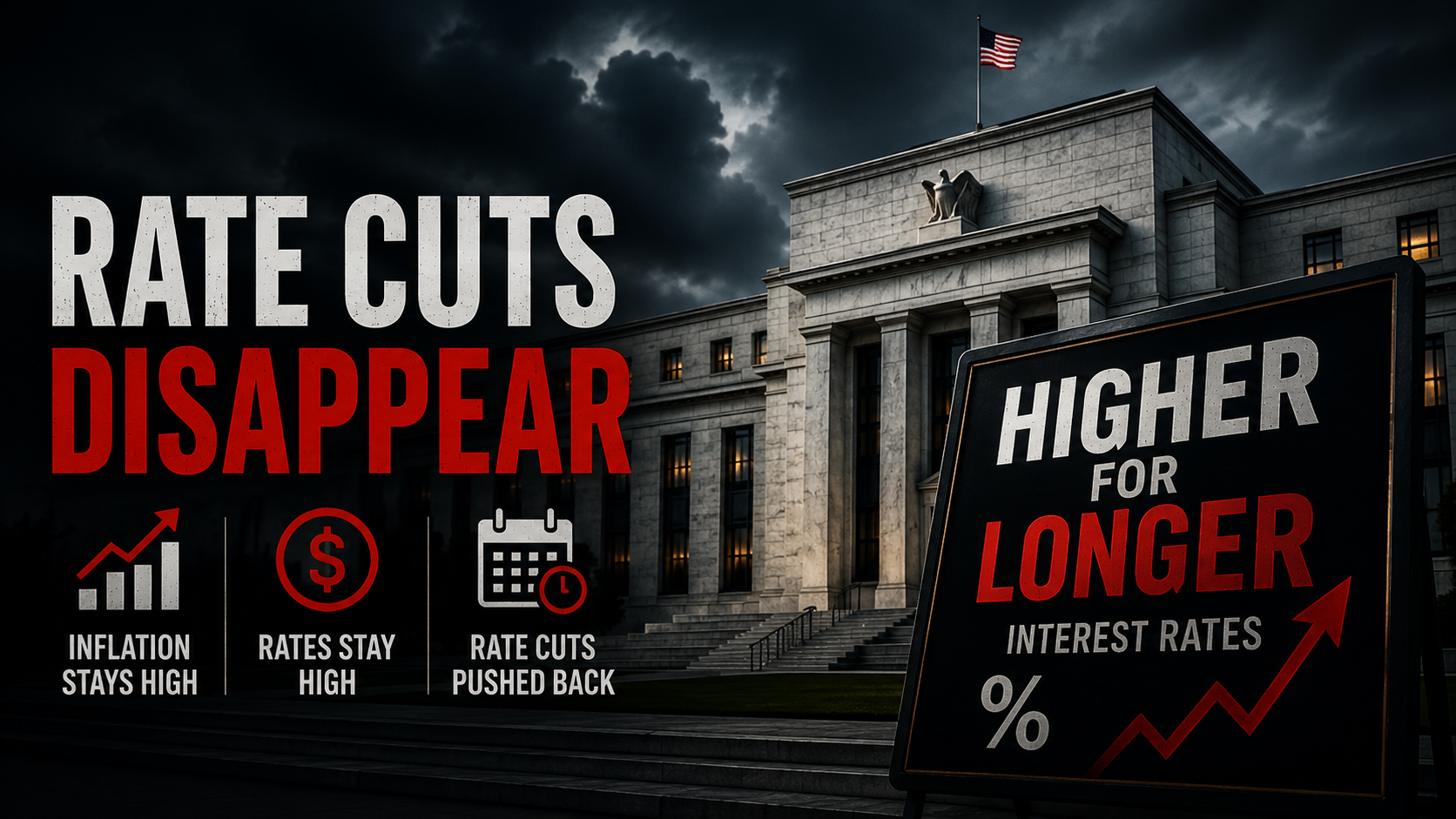
Most people still view inflation as simply a pricing problem.
But the deeper issue is monetary policy.
As inflation remains persistent, markets are beginning to realize that the era of easy money may not return anytime soon.
Several global investment banks have already pushed back their expectations for rate cuts. Some analysts are even discussing the possibility of renewed tightening if inflation accelerates again.
This creates a painful paradox:
- Energy companies report record profits
- Commodity producers grow stronger
- But consumers and debt-heavy households become increasingly fragile
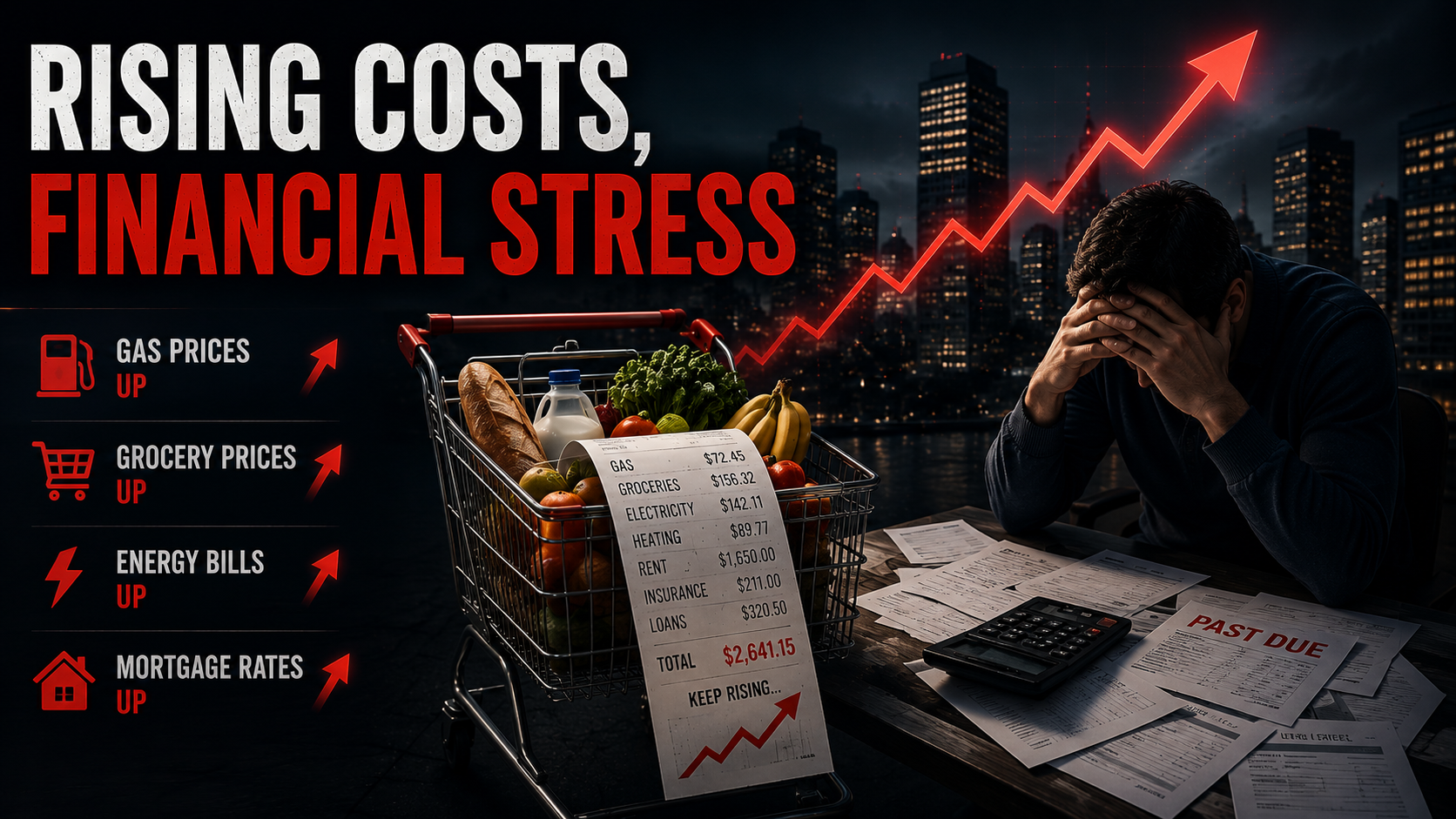
In other words:
The systems powering the economy are becoming wealthier, while ordinary people feel financially weaker.
That is the hidden reality behind this inflation cycle.
4. Mastermind Insight: Strategic Investors Focus on Structure
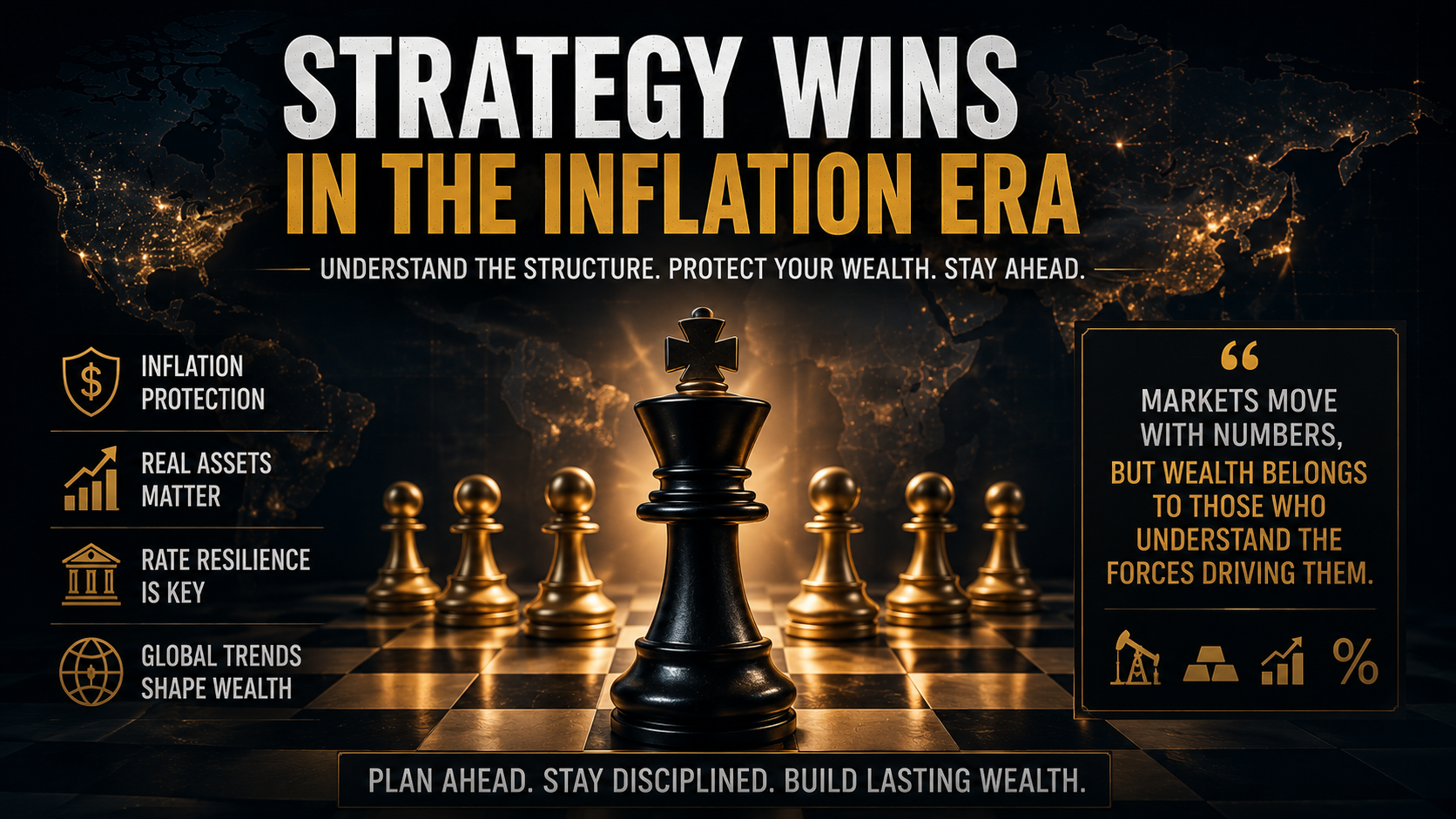
Successful investors do not simply react emotionally to rising prices.
They study the structure underneath the movement.
In this environment, the important questions become:
- Can my asset structure survive a prolonged high-interest-rate environment?
- Do I own resilient assets that can withstand inflation?
- Is my portfolio dependent on cheap money returning?
The era of effortless liquidity may be ending.
And in this new environment, resilience matters more than optimism.
Investors who understand inflation cycles, energy trends, and monetary policy shifts will likely have a significant advantage over those simply waiting for conditions to “go back to normal.”
Closing Thoughts
The return of energy-driven inflation is becoming one of the defining economic challenges of this era.
But every major economic shift creates both danger and opportunity.
Oil prices, CPI reports, Fed statements, and interest rates are no longer distant financial headlines. They are directly connected to household survival, purchasing power, and long-term wealth.
When markets become noisy, focus on the structure behind the numbers.
Because markets move with numbers,
but wealth ultimately belongs to those who understand the forces driving them.
What strategies are you preparing in this era of persistent inflation and high interest rates?
Share your thoughts and insights in the comments below.
Designed for Success,
this is Mastermind.
'[Global] Success Blueprints' 카테고리의 다른 글