Debit Card vs. Credit Card and Why the Difference Matters


Hello, this is MasterMind.
If two people buy the exact same $100 item, why can one person strengthen their financial position while the other slowly falls into debt?
At first glance, debit cards and credit cards seem almost identical. You swipe a card, make a purchase, and move on with your day.
But beneath the surface, they represent two completely different financial systems.
One spends money you already own.
The other spends money you promise to earn in the future.
Understanding this distinction is one of the most important financial lessons for young professionals, new investors, and anyone trying to build long-term wealth.
One-Sentence Takeaway
A debit card helps you control spending using money you already have, while a credit card allows you to leverage future income and build credit—but only if used responsibly.
What Is a Debit Card?

A debit card is directly connected to your checking account.
When you make a purchase, money leaves your account almost immediately.
Your spending limit is determined by the cash you currently have available.
Think of a debit card as a digital version of cash.
No borrowing occurs.
No debt is created.
No future payment obligation exists.
For many people, especially those just beginning their financial journey, debit cards provide a simple and effective way to maintain spending discipline.
What Is a Credit Card?
A credit card works differently.
When you make a purchase, the card issuer pays the merchant on your behalf.
You then repay the balance later, typically once per month.
In other words, a credit card is a short-term loan.
The bank extends credit based on your financial history, income, and creditworthiness.
As long as the balance is paid on time, you can use the card without paying interest during the grace period.
However, unpaid balances can quickly become expensive debt.
How the Money Flow Works
The biggest difference between debit cards and credit cards is the source of the money being spent.
Debit Card Flow
Consumer Purchase → Bank Account Withdrawal → Merchant Receives Payment
The transaction immediately reduces your available cash balance.
Credit Card Flow
Consumer Purchase → Credit Issued by Card Company → Monthly Repayment
The purchase creates a short-term liability that must be repaid in the future.
This distinction may seem small, but it fundamentally changes spending behavior.
Psychologically, people tend to spend more when using borrowed money than when using cash they already own.
That behavioral difference is one reason credit card companies are among the most profitable financial businesses in the world.
Why Credit Scores Matter More in America
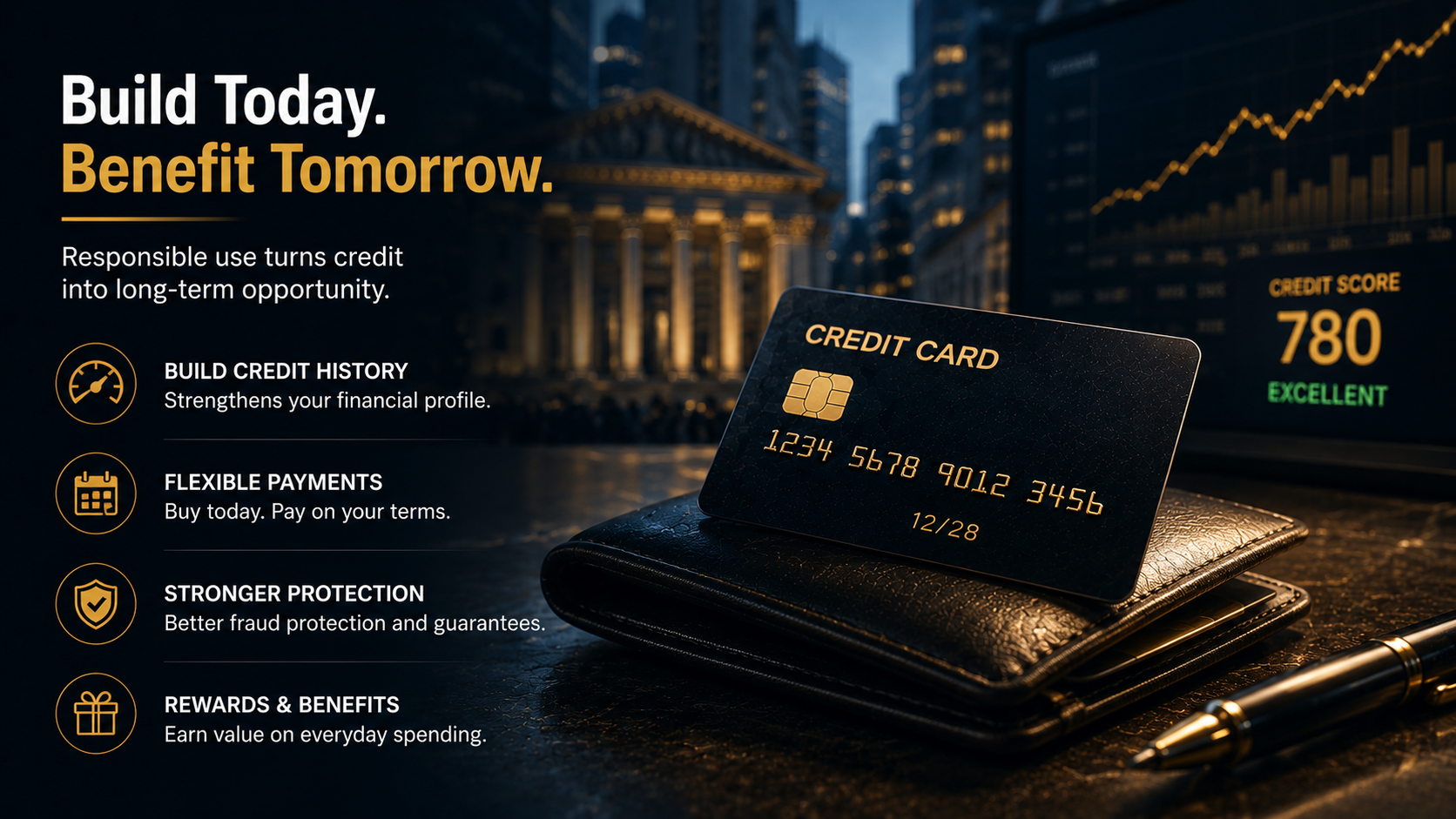
In the United States, credit scores influence far more than borrowing.
They can affect
- Mortgage approval
- Auto loan interest rates
- Apartment applications
- Insurance pricing
- Business financing opportunities
Because of this, responsible credit card usage can become a valuable financial asset.
Many successful investors and financially disciplined households intentionally use credit cards—not because they need debt, but because they understand the value of building a strong credit profile.
A well-managed credit history often reduces the cost of capital throughout a person's life.
And lower financing costs can significantly improve long-term wealth accumulation.
Debit Card vs. Credit Card Comparison
| Category | Debit Card | Credit Card |
| Source of Funds | Existing Cash | Borrowed Money |
| Debt Creation | No | Yes |
| Spending Control | High | Moderate |
| Credit Building | Limited | Strong |
| Rewards Programs | Usually Basic | Often Extensive |
| Risk of Overspending | Lower | Higher |
| Fraud Protection | Good | Usually Better |
| Financial Discipline Required | Moderate | High |
Why Investors Pay Attention to Spending Behavior
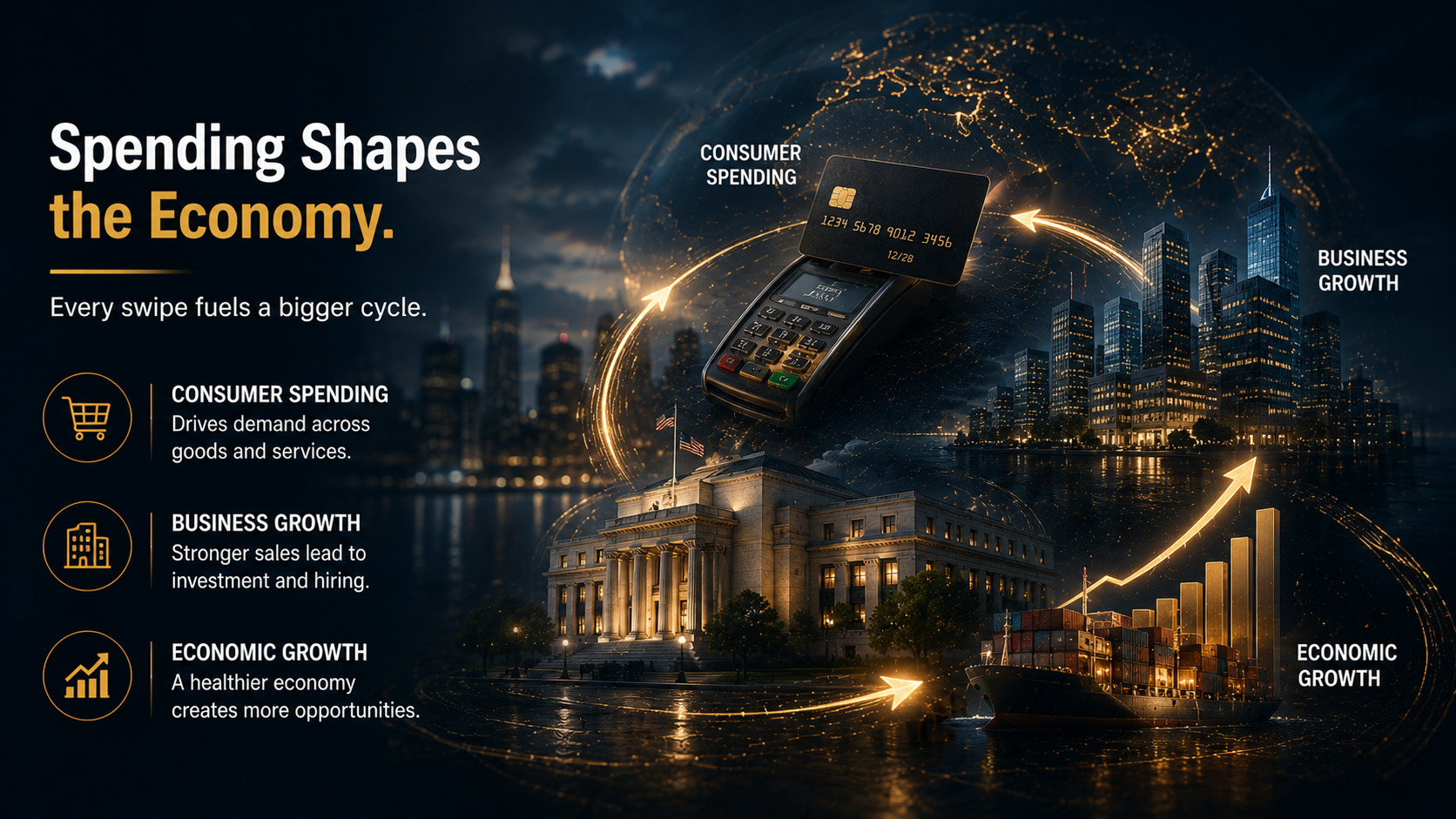
Most people focus on investment returns.
Successful investors focus on cash flow.
The way you spend money determines how much capital remains available for investing.
Every dollar used to pay unnecessary interest is a dollar that cannot be invested into stocks, businesses, real estate, or other productive assets.
This is why personal finance and investing are closely connected.
Before wealth can grow, cash flow must survive.
Markets reward capital.
Capital grows from consistent surplus cash flow.
And surplus cash flow begins with spending habits.
What Do Wealthy People See in This System?

Wealthy individuals rarely view cards as simple payment tools.
They view them as cash-flow management systems.
They Understand the Time Value of Money
A credit card effectively delays cash outflow.
While that money remains in a high-yield savings account, Treasury fund, or money market fund, it can continue earning returns.
The advantage may seem small, but wealthy investors understand that financial success often comes from optimizing hundreds of small decisions.
They Protect Their Financial Flexibility
The goal is never to maximize spending.
The goal is to maximize optionality.
Every financial decision is evaluated through one question
Does this purchase strengthen or weaken my future cash flow?
That mindset separates consumers from investors.
Questions Every Young Professional Should Ask
Before choosing how to pay, consider
- Am I using this card as a tool or as an excuse to spend more?
- Could I pay this balance in full today if I had to?
- Is this purchase helping my future financial position?
- How much of my monthly cash flow remains available for investing after all expenses are paid?
These questions are often more important than the rewards points themselves.
Final Thoughts
Debit cards and credit cards are not inherently good or bad.
They are financial tools.
A debit card helps create discipline and spending awareness.
A credit card helps build credit and improve financial flexibility.
Used responsibly, both can play valuable roles in a long-term financial strategy.
The real challenge is not choosing the right card.
The real challenge is controlling the flow of money between income, spending, and investing.
Because in investing, survival comes before growth.
And long-term wealth is often built not through extraordinary returns, but through consistent control of everyday financial decisions.
This is MasterMind
designing success through insight.
'[Global] Success Blueprints' 카테고리의 다른 글